Build guide
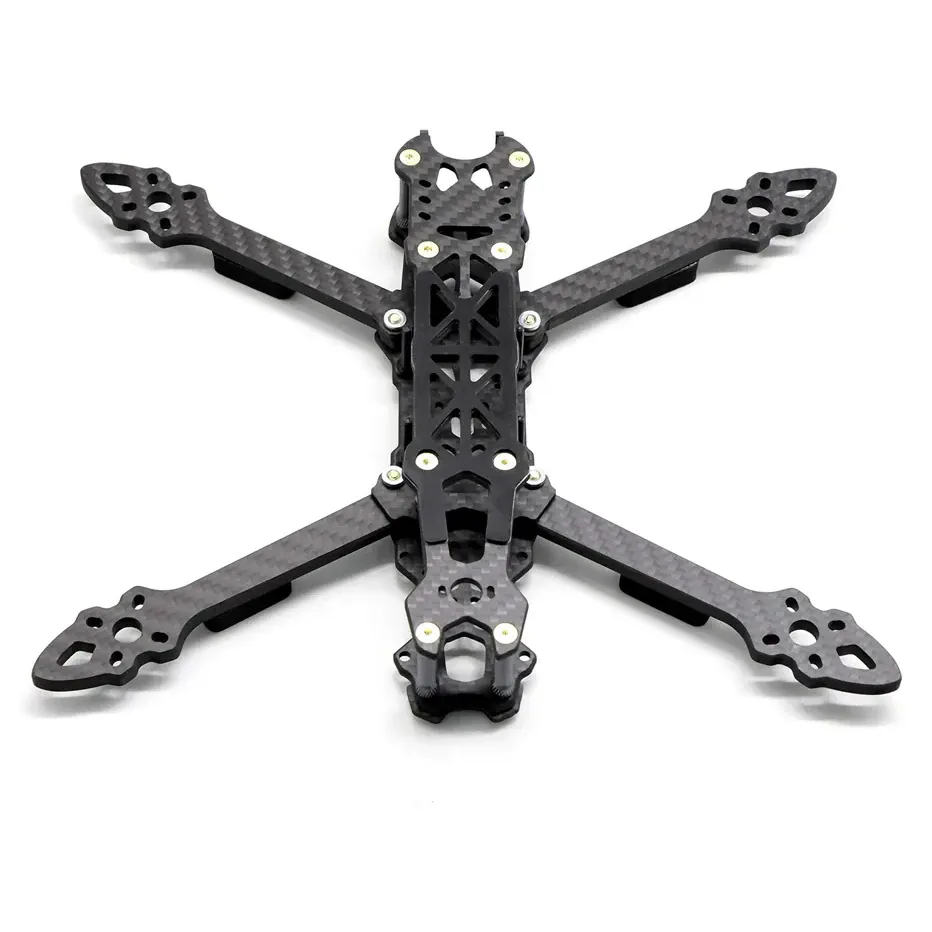
To build an FPV drone you need a frame, four motors, a flight controller with a 4-in-1 ESC, a video system, a receiver, props and batteries — plus a radio, goggles and a charger on the ground. This guide walks through that parts list, the tools, the assembly order and the software setup, with a printable checklist you can take to the bench.
Read the guide →Parts guide
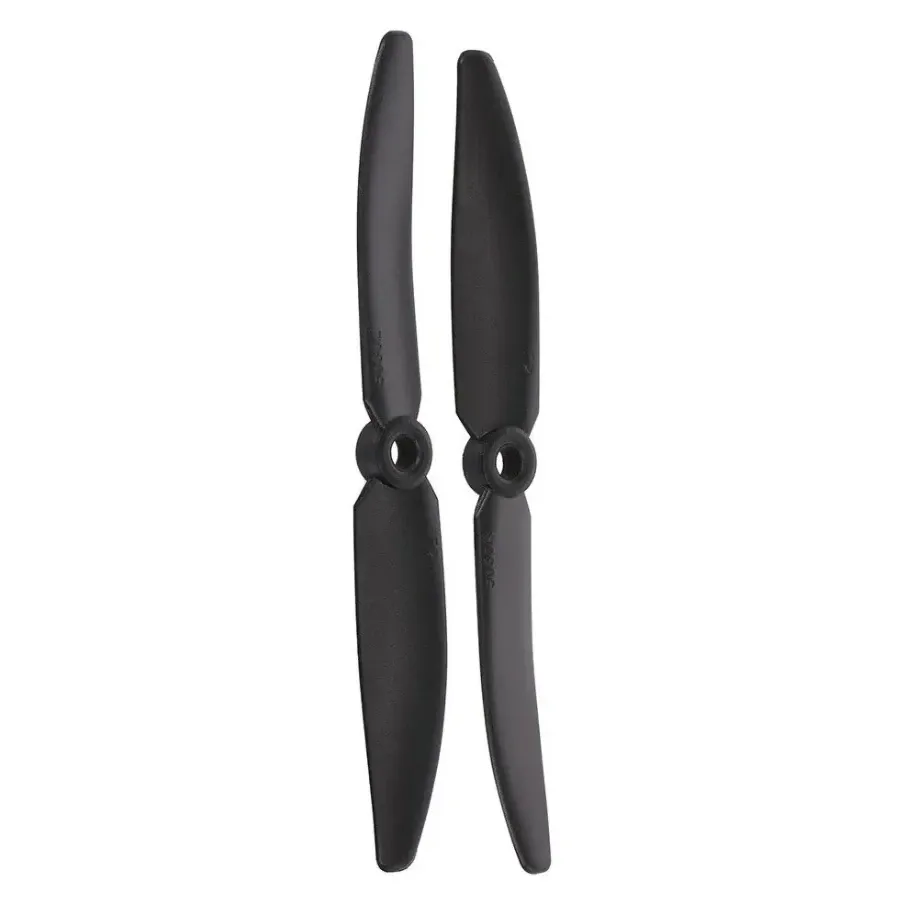
The main parts of a drone are the frame, motors, ESCs (speed controllers), flight controller, propellers, battery and radio receiver — plus, on an FPV drone, a camera and video transmitter. Knowing what each one does, and which spec matters when you pick it, is most of what you need to build, upgrade or repair a drone. Here is the full list, from the frame outward.
Read the guide →Build guide
The F450 is the frame most people in India build their first drone on — a 450 mm plastic-arm quad that flies on 1000KV motors, 10-inch props and a 3S pack, and takes a Pixhawk when you want GPS and autonomous flight. Here is the complete parts list with today’s prices, the wiring, and an honest answer to “how much does a DIY drone cost?”.
Read the guide →Flight controllers
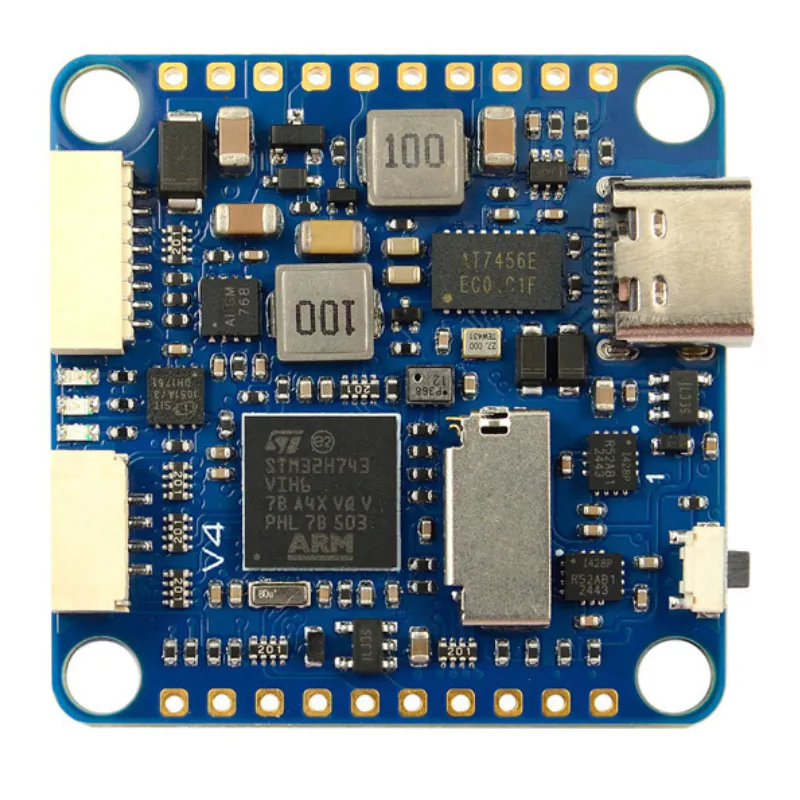
The flight controller is the drone’s brain: it reads the gyro a few thousand times a second and tells each motor what to do. Which board you need depends far more on the firmware you plan to run than on the processor letters — here is how to decide.
Read the guide →Motors
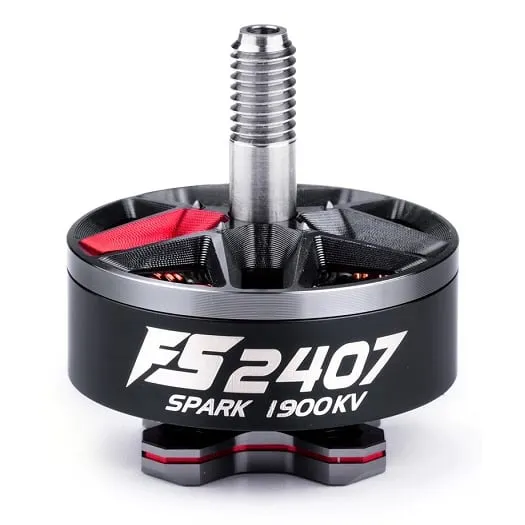
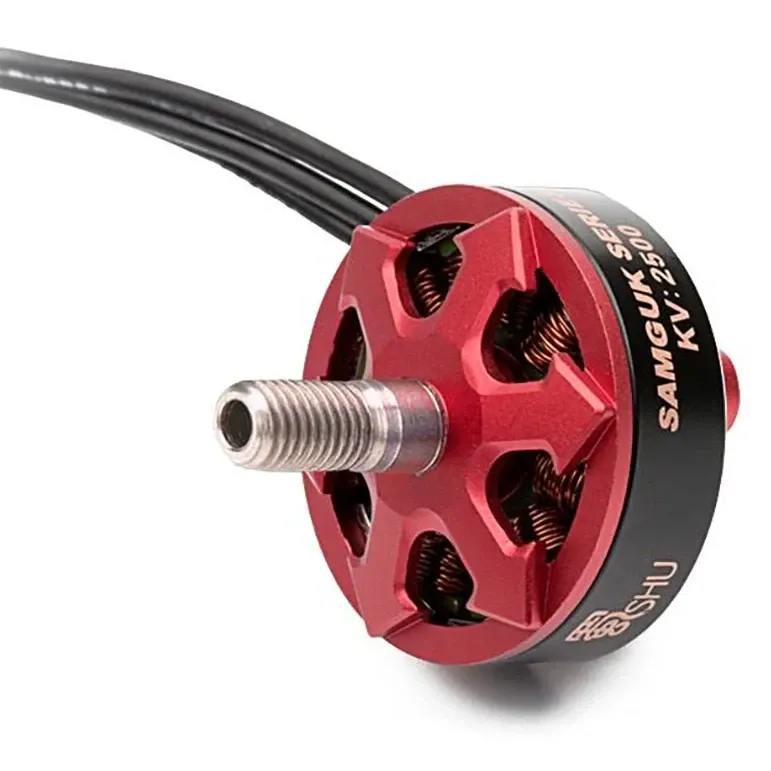
Motor KV is how fast a brushless motor spins per volt with no propeller on it: a 1000KV motor turns about 1,000 RPM for every volt, roughly 12,600 RPM on a full 3S pack. Together with the stator size, KV decides which propeller and battery a motor belongs with. Here is how to read a motor listing and match it to a build.
Read the guide →Batteries
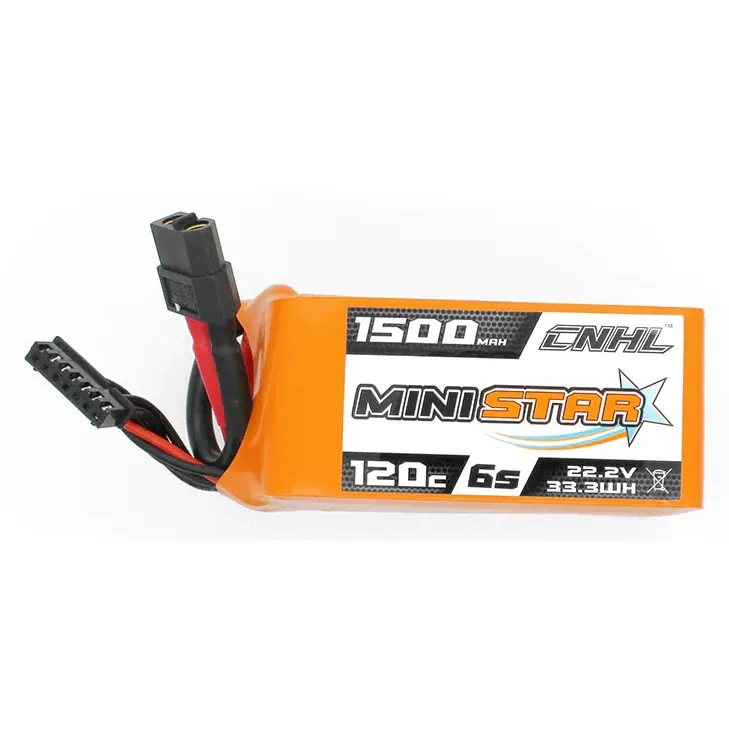
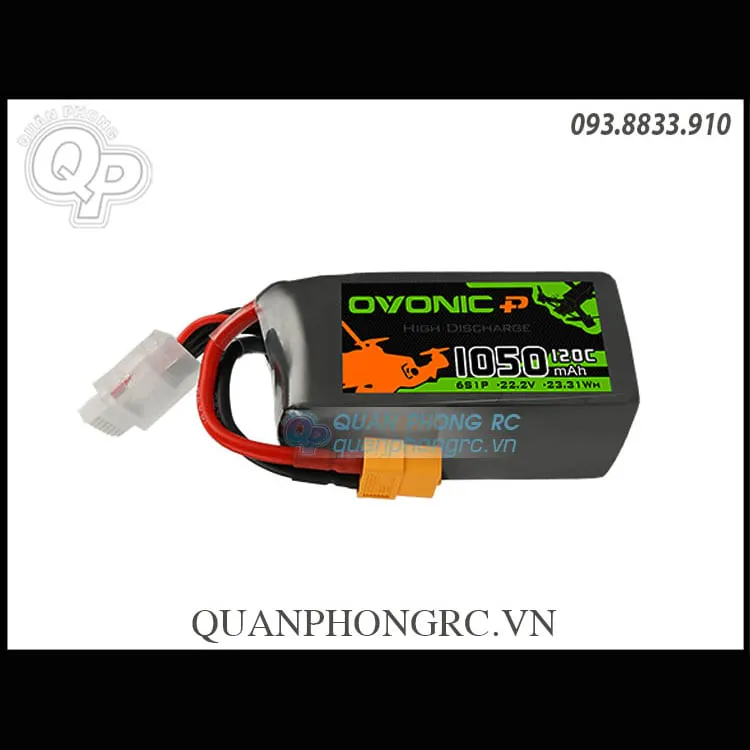
A drone LiPo battery is described by three numbers: cell count (S — 3.7 V per cell, so 3S is 11.1 V and 6S is 22.2 V), capacity in mAh, and discharge rating in C. This guide explains those numbers, which pack suits which drone, and the charging and storage habits that keep packs healthy and safe.
Read the guide →ESCs
ESC beep codes are the tones an ESC plays through the motors. Three rising tones at plug-in mean it has power; a final ready beep means it has found a throttle signal at zero; a beep that keeps repeating usually means no signal, or throttle not at zero. Once you know the sequence, most “my drone just beeps” problems take a minute to diagnose. This guide covers BLHeli_S, BLHeli_32, AM32 and the older SimonK and Hobbywing-style ESCs.
Read the guide →FPV basics
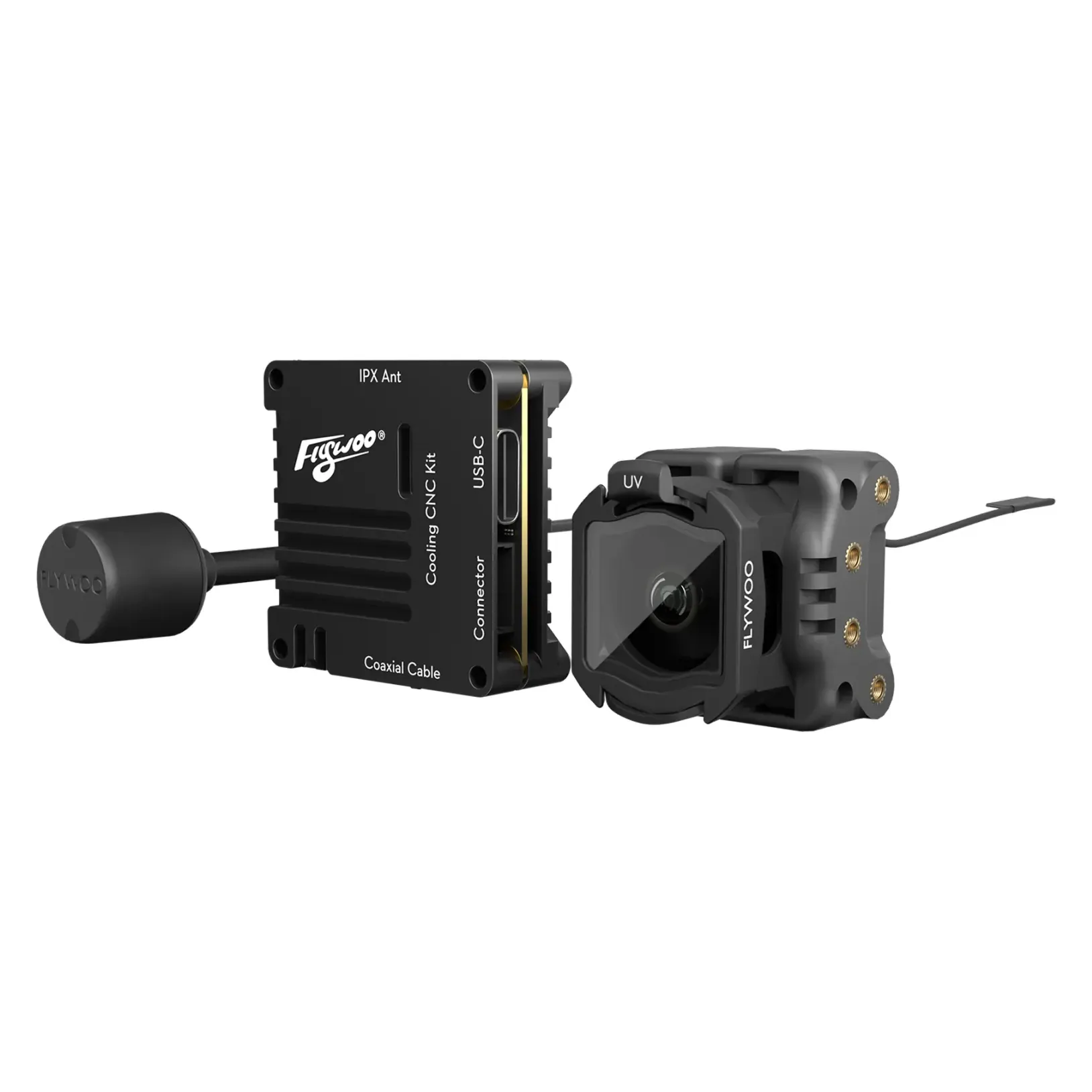
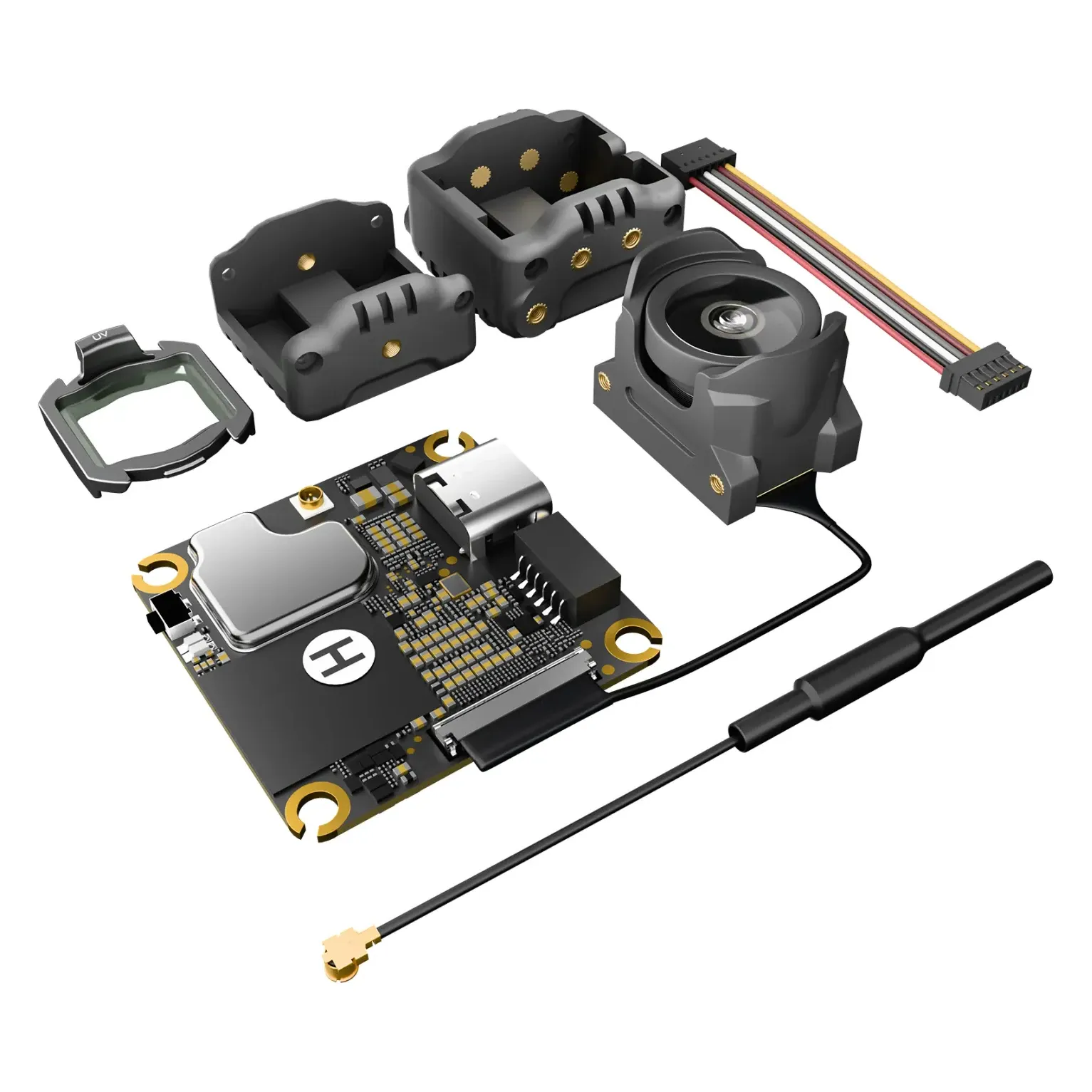
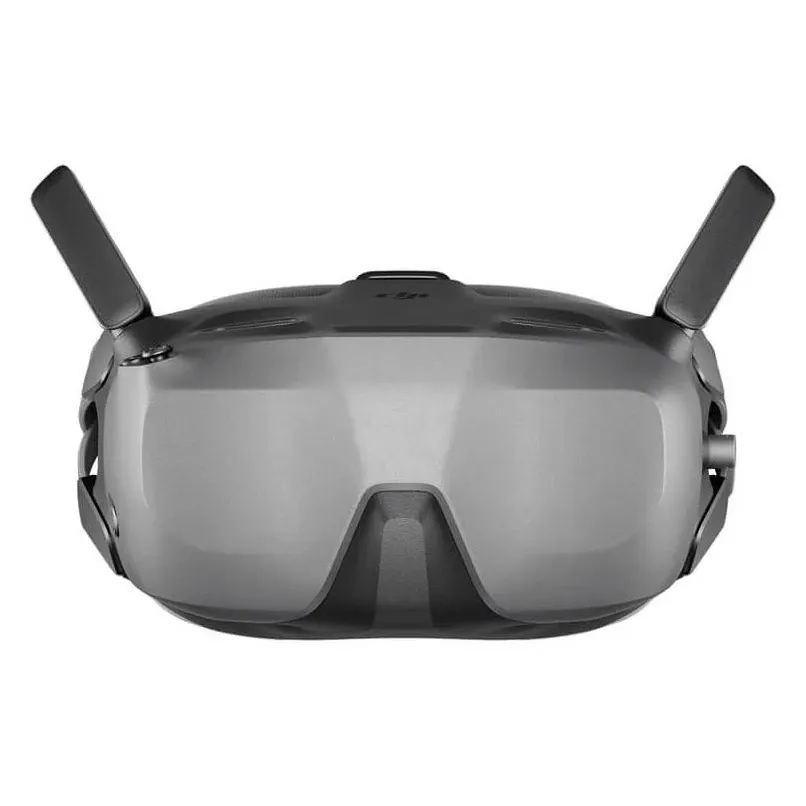
FPV is short for First Person View — flying a drone through a live video feed from a camera on board, in goggles or on a screen, as if you were sitting in the pilot’s seat. Here is what the term covers, how the video link works and what a first setup looks like.
Read the guide →Build guide
A 5″ freestyle FPV drone costs about ₹30,000 to build at the budget end and ₹48,000 for a typical analog build, plus ₹21,000–₹68,000 of radio, goggles, charger and tools you buy once — so a complete first setup is ₹50,000 to ₹1,15,000, and a DJI O4 build with DJI goggles ₹1,50,000 and up. The numbers come from our in-stock prices in October 2026, part by part, with the cheaper routes in.
Read the guide →Motors
The right FPV motor is decided by the frame and prop, then the battery: a 5″ quad wants a 2207 or 2306 at 1,750–2,050KV on 6S, a 7″ long-range quad a 2807 at 1,300KV, a 65 mm whoop an 0702 at 19,000KV or more. This guide gives the full table by build class, explains the voltage and mount rules that stop a motor fitting, and how to replace a single motor without upsetting the other three.
Read the guide →ESCs
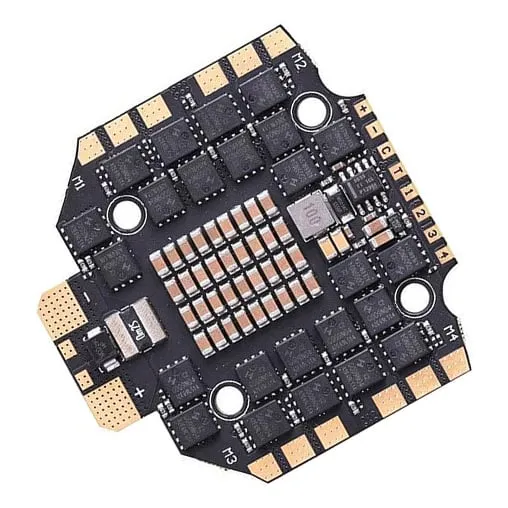
A 4-in-1 ESC is four speed controllers on one board under the flight controller. Pick it from the motors’ maximum current with margin — 45–65 A for a 5″ freestyle quad, 55–80 A for 7″ and 8S — then the voltage rating, the mounting size that matches your frame and FC, and a firmware that supports bidirectional DShot. This guide covers each decision and the small things (capacitor, pinout, direction) that burn boards.
Read the guide →Radios
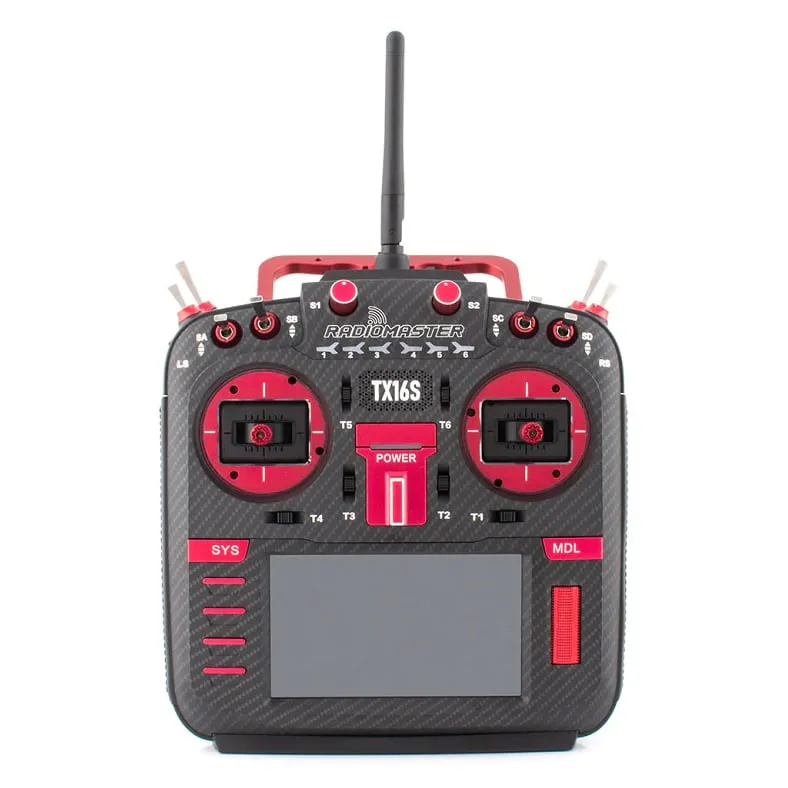
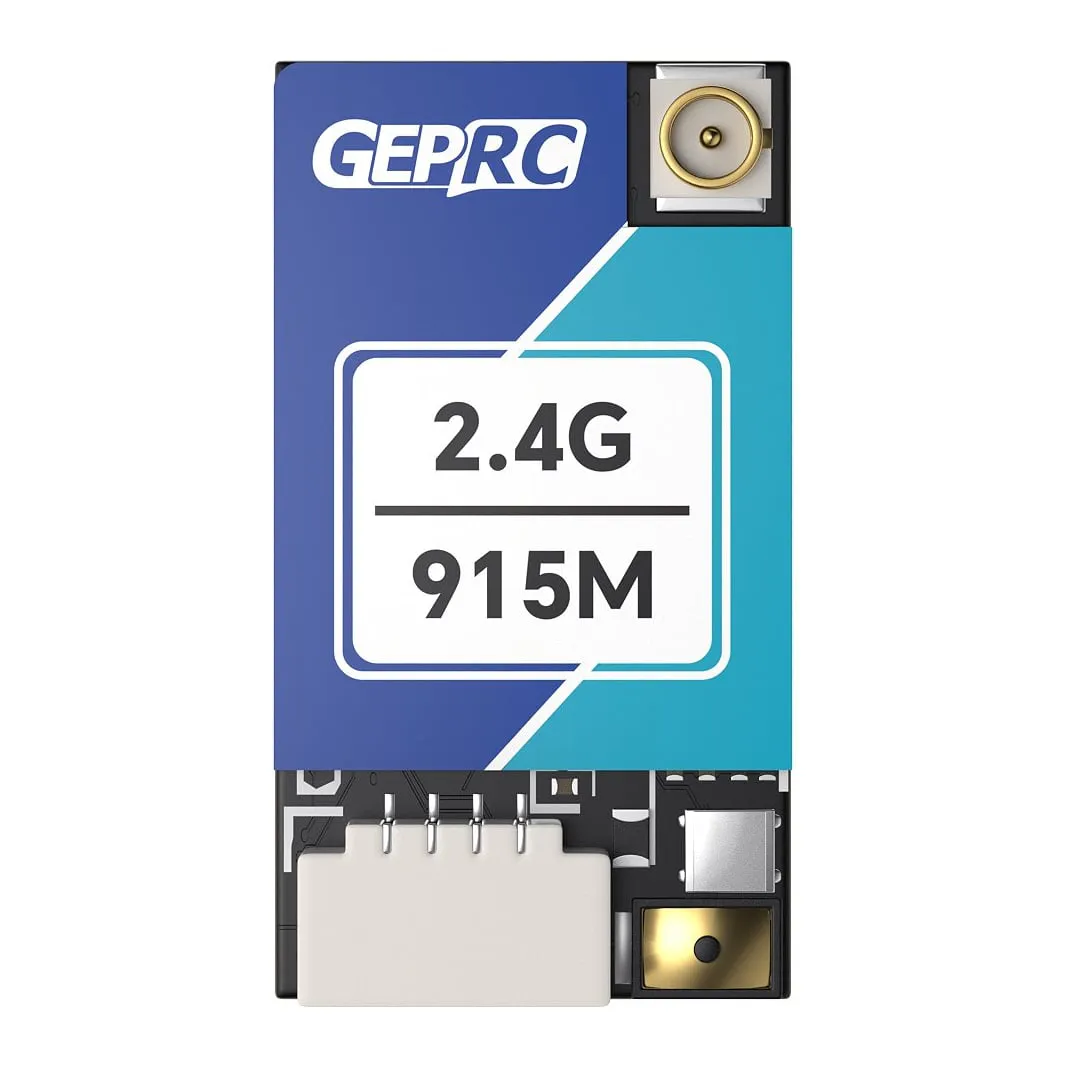
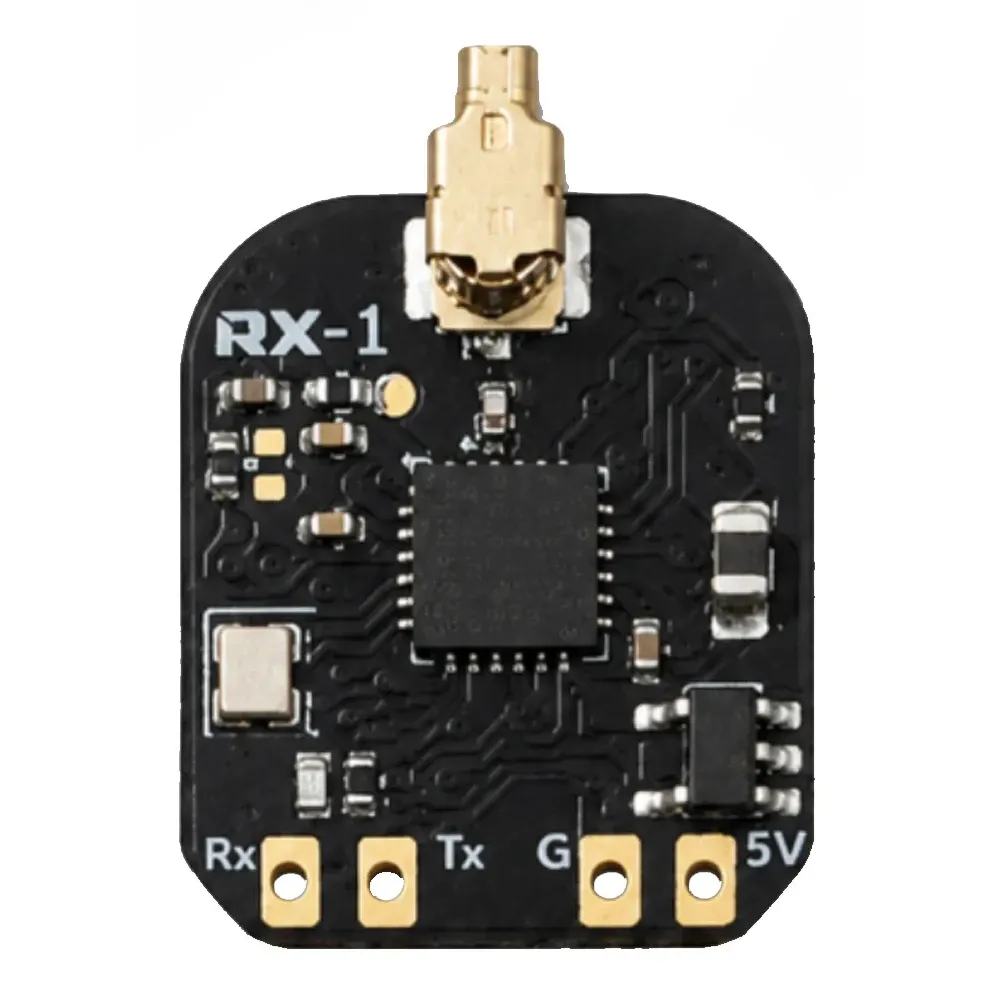
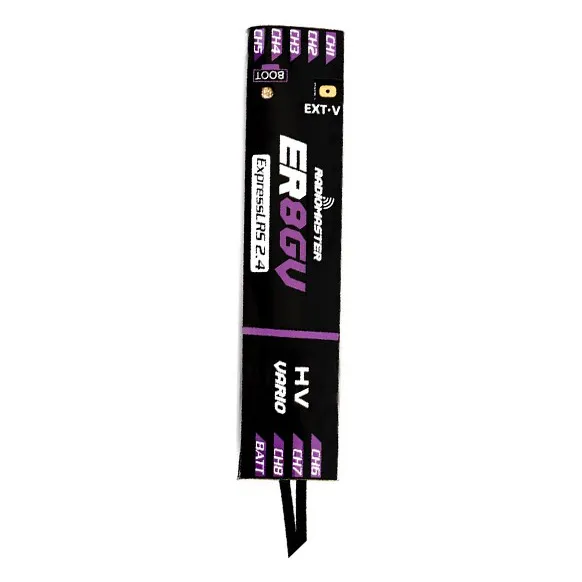
Choose the radio link before the handset: in 2026 that is ExpressLRS for almost every FPV build, with Crossfire, FrSky, FlySky, Radiolink, Skydroid and mLRS each owning a niche. Then pick the form factor — full-size, compact or pocket — hall gimbals, and a module bay if you will ever add 900 MHz. This guide walks the choices and the receiver rules that follow from them.
Read the guide →