Analog FPV Cameras
24 products
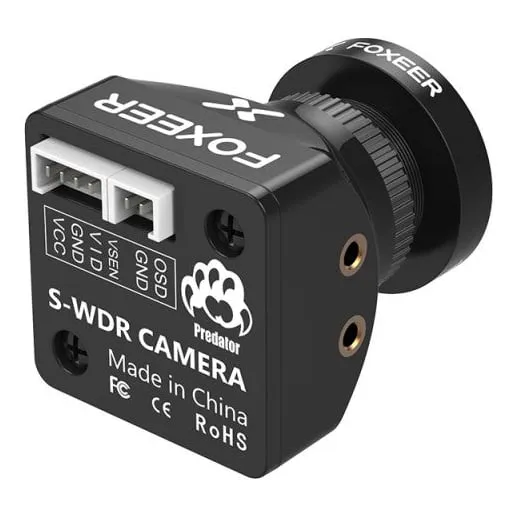
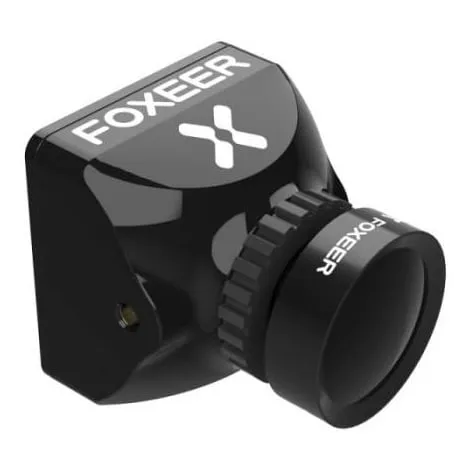
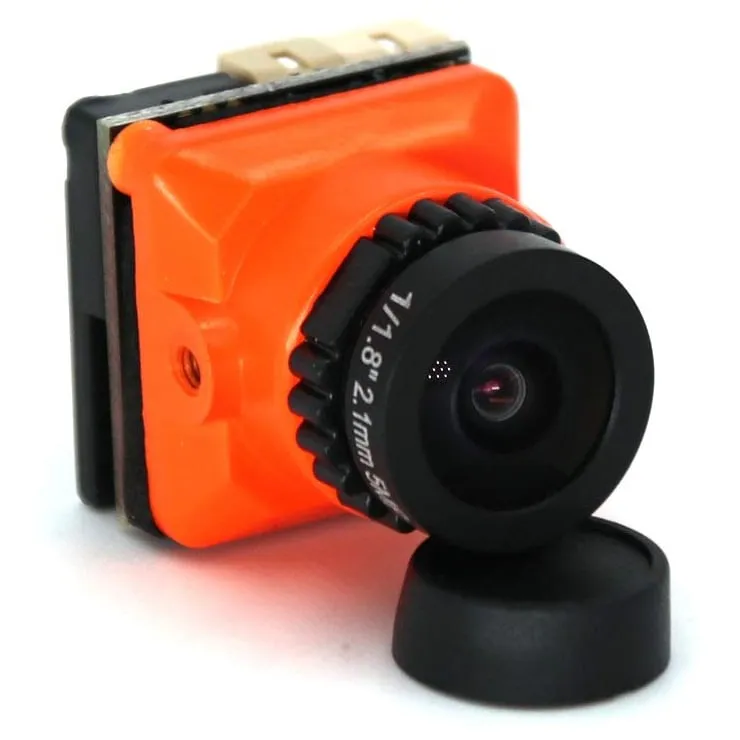
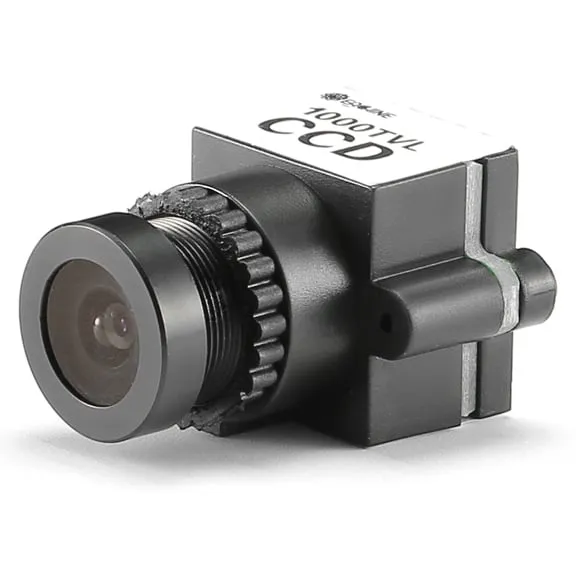
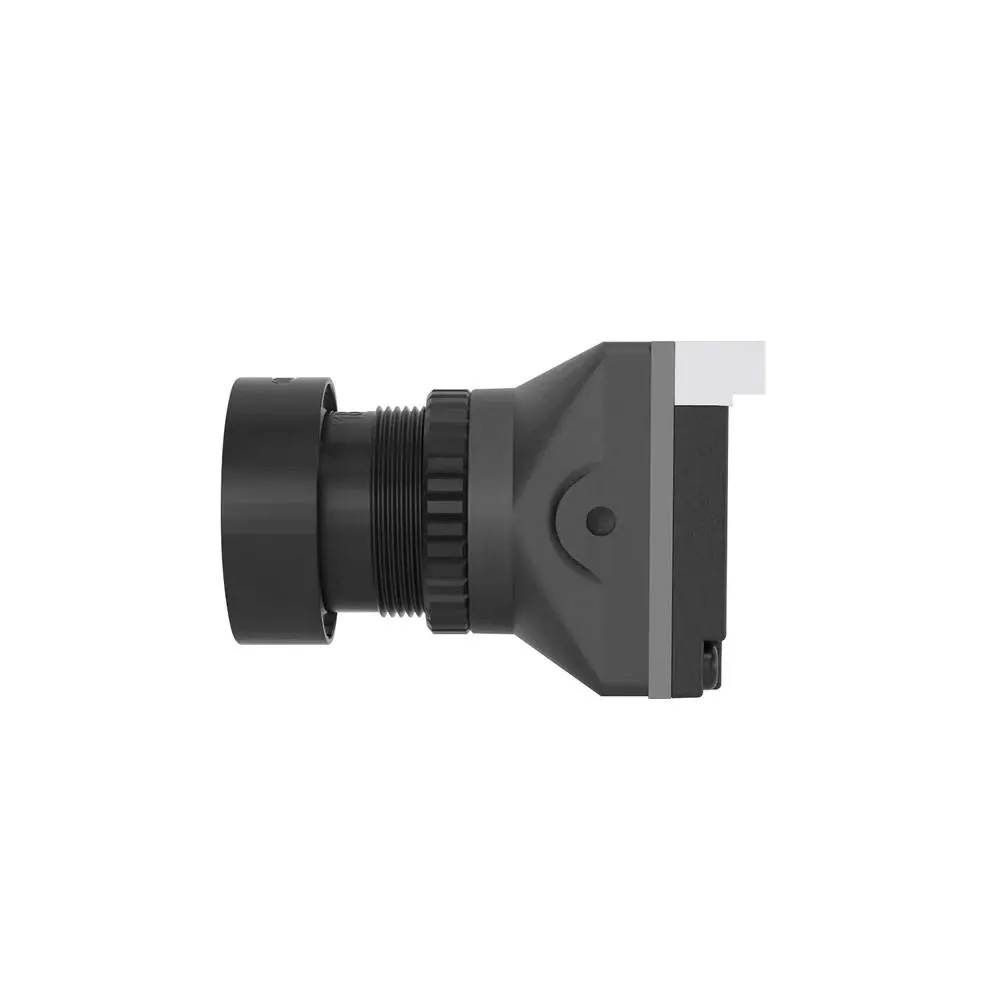
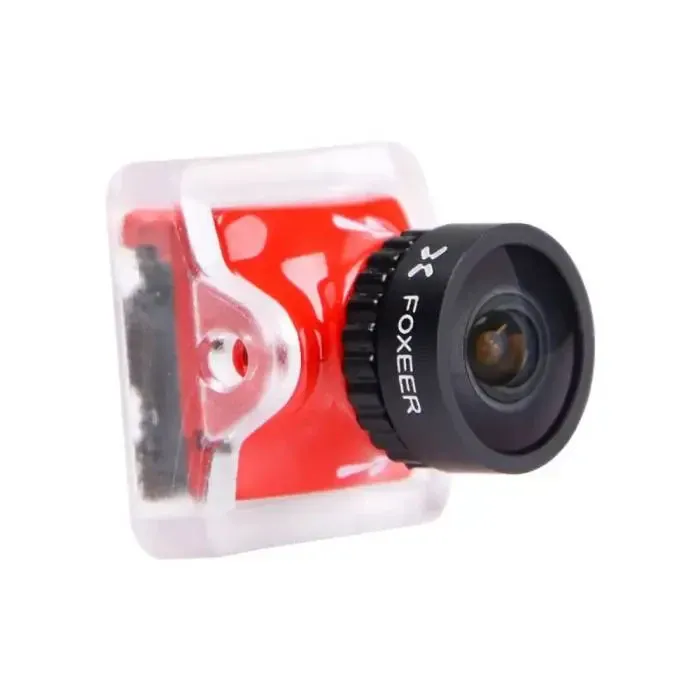
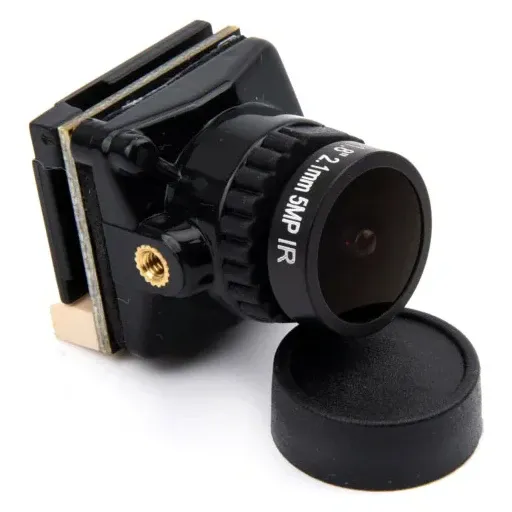
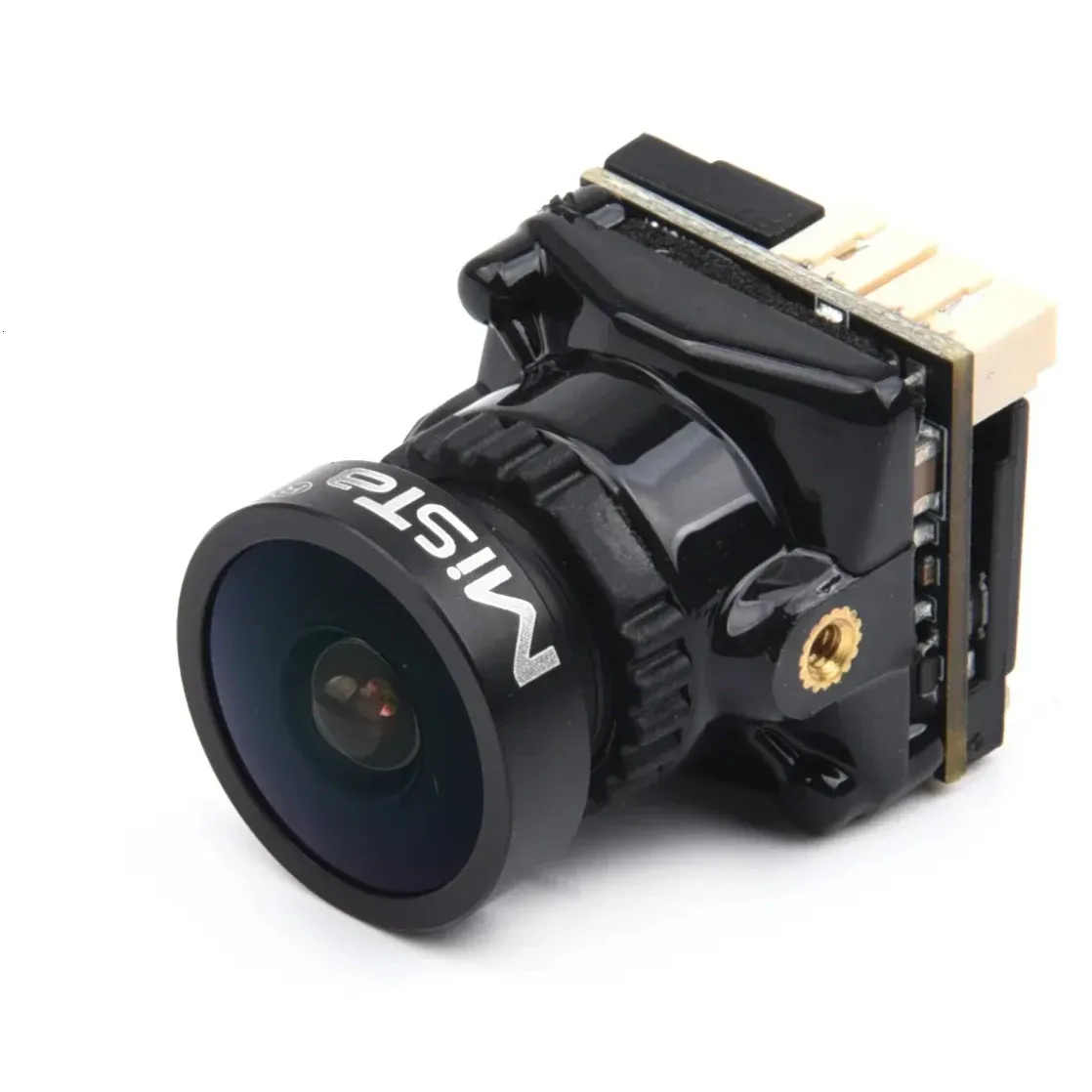
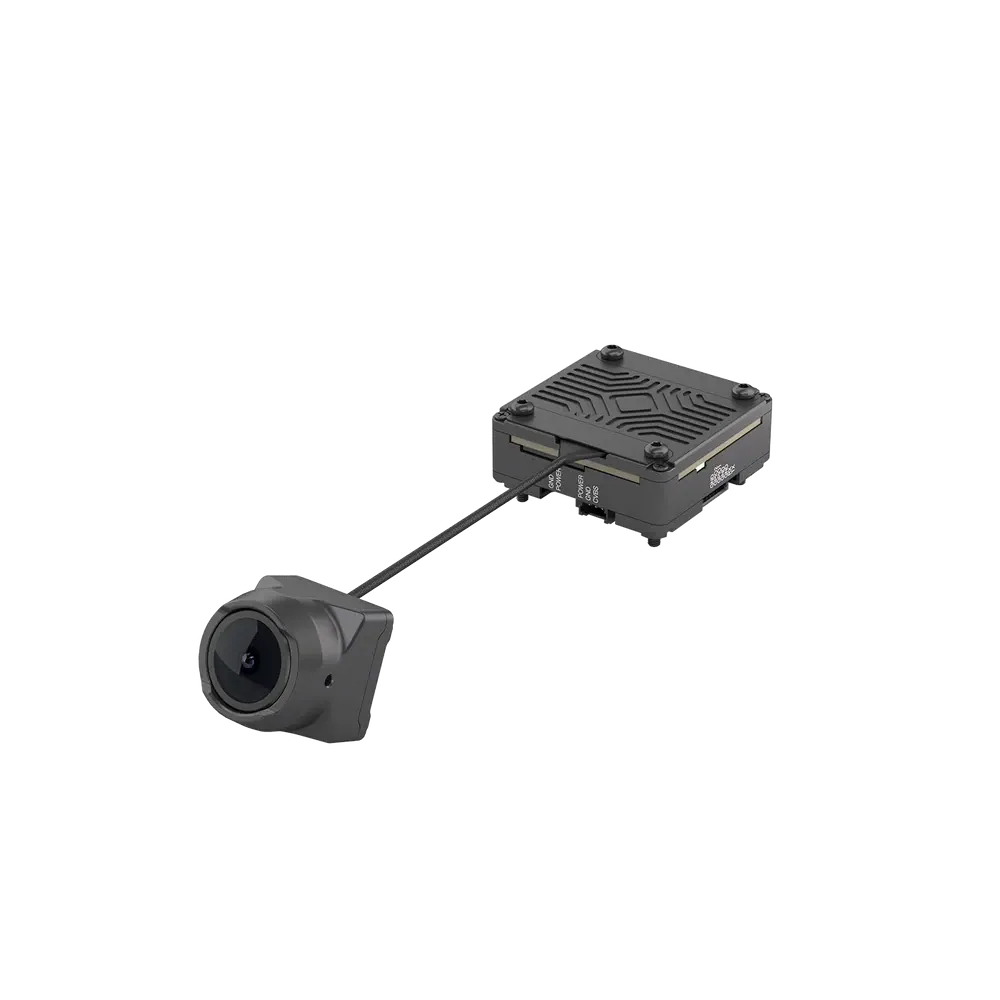
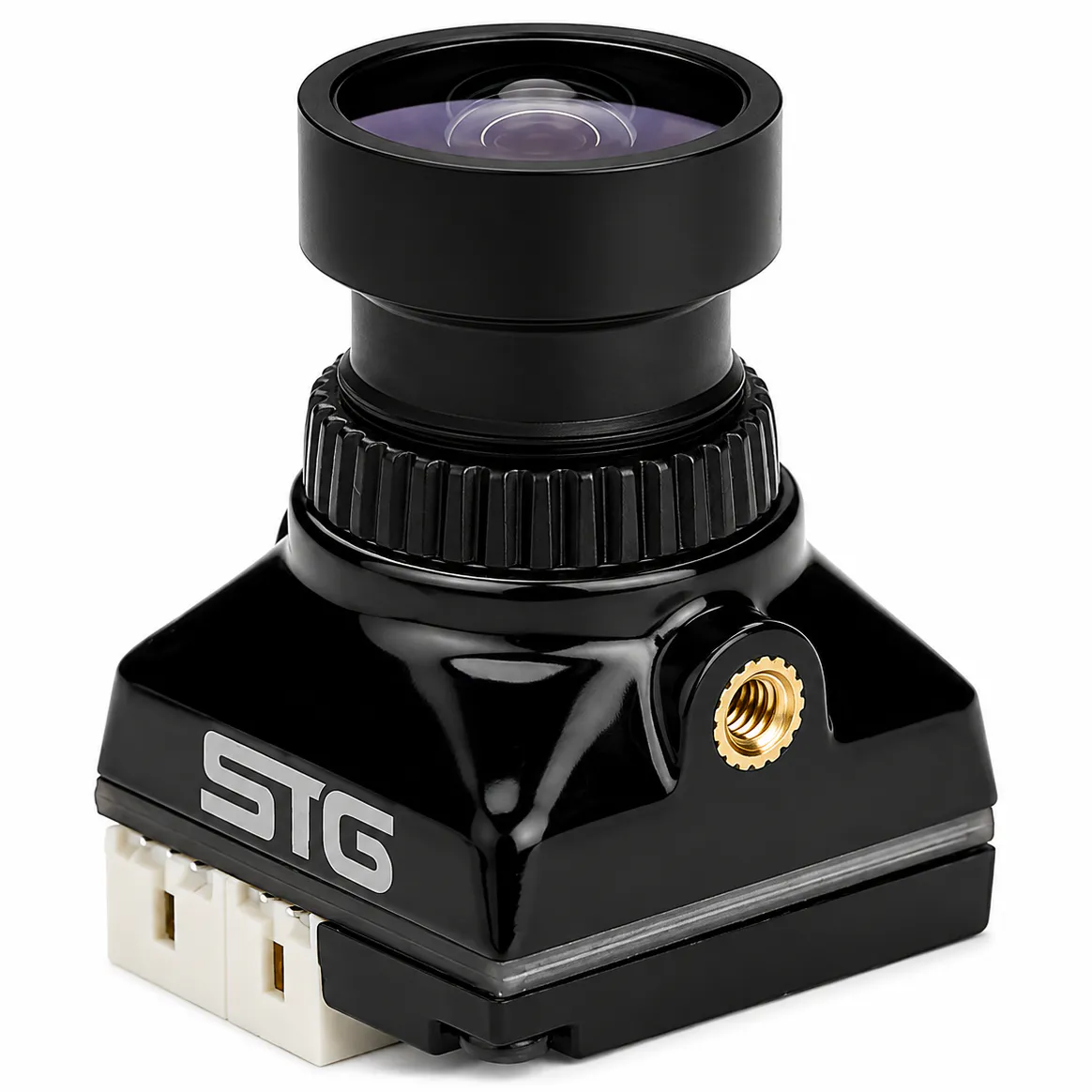
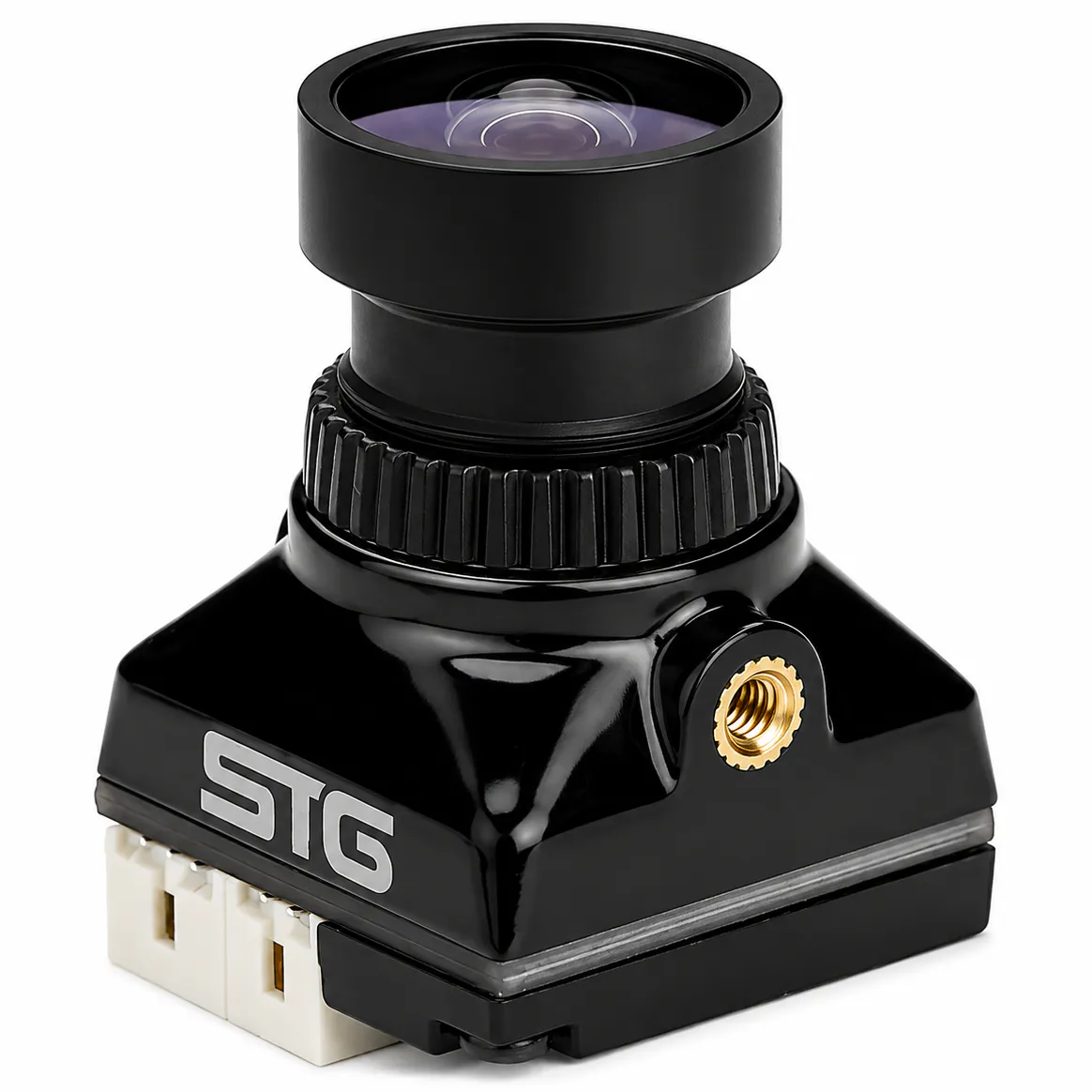
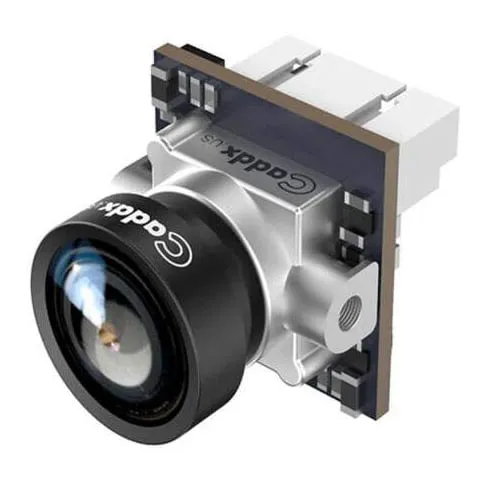
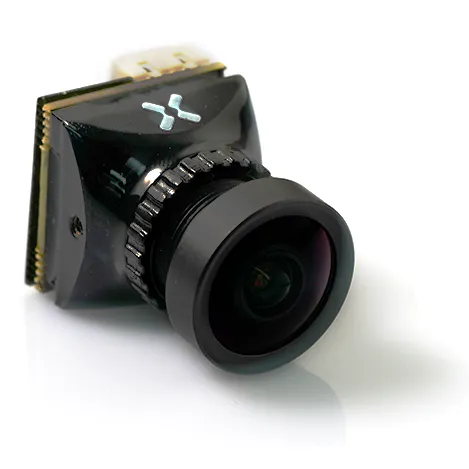
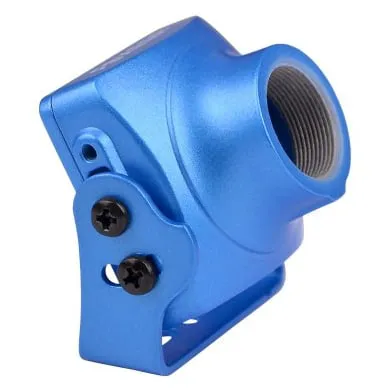
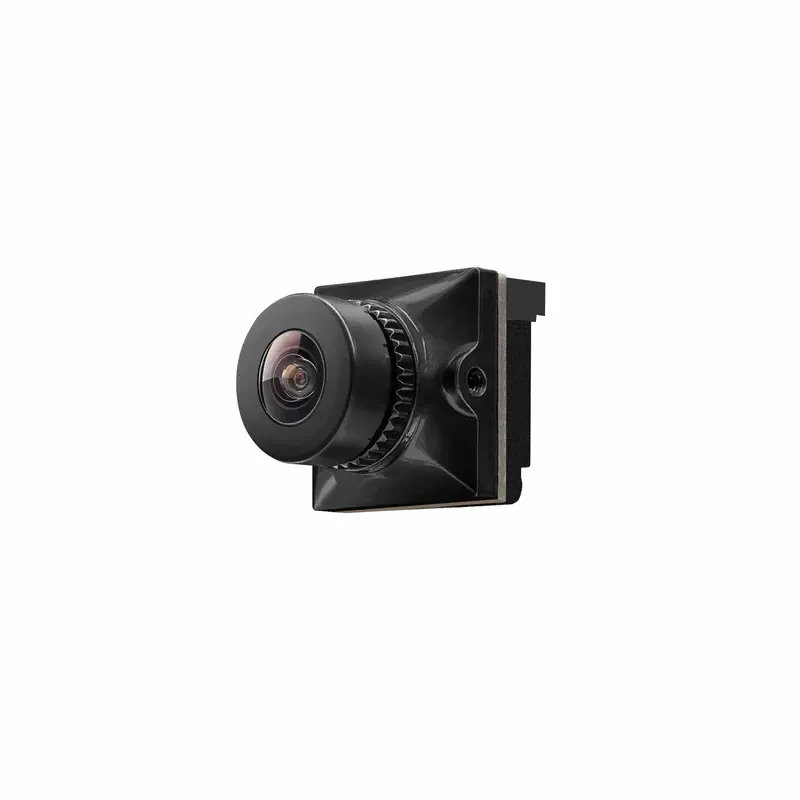
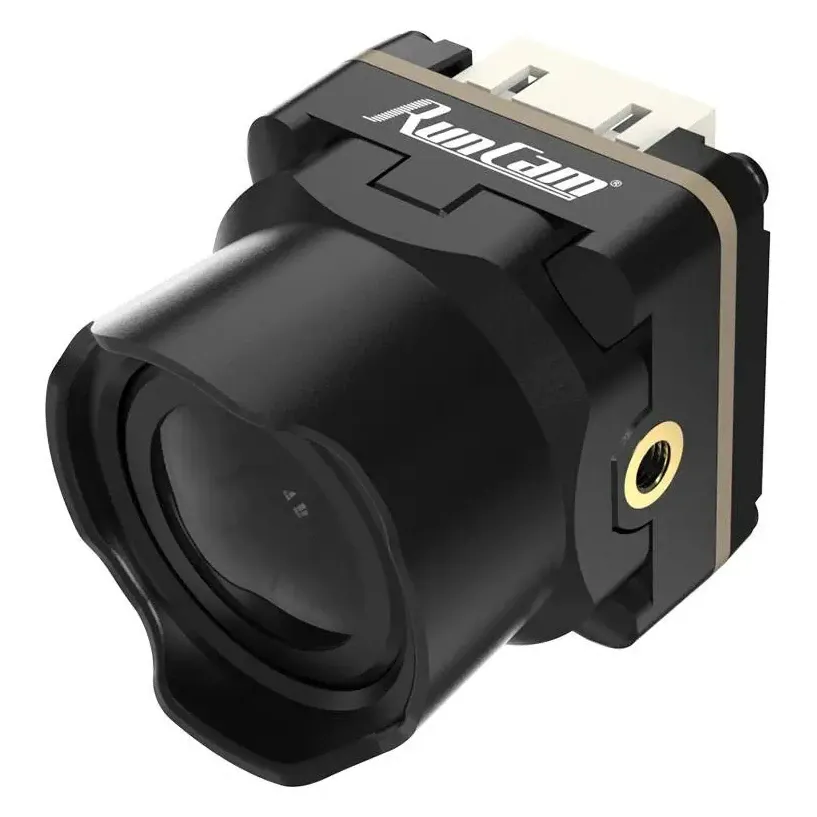
Also in Analog FPV Cameras, currently out of stock
Analog FPV cameras feed a 5.8GHz analog video transmitter and remain the lowest-latency, most affordable way to fly FPV. This page lists every analog camera in our FPV Cameras range, along with replacement lenses and cases. Two things matter most when choosing: the camera's size, which must fit your frame's camera mount (19mm micro, 14mm nano or smaller), and the sensor, which decides how the image copes with low light and harsh sun. The lens focal length then sets your field of view.
How to choose an analog FPV camera
- Size: 19mm micro cameras fit most 5-inch freestyle frames; 14mm nano cameras suit race frames, 3-inch builds and cinewhoops, and fit 19mm cages with an adapter; 10mm and smaller cameras suit tiny whoops.
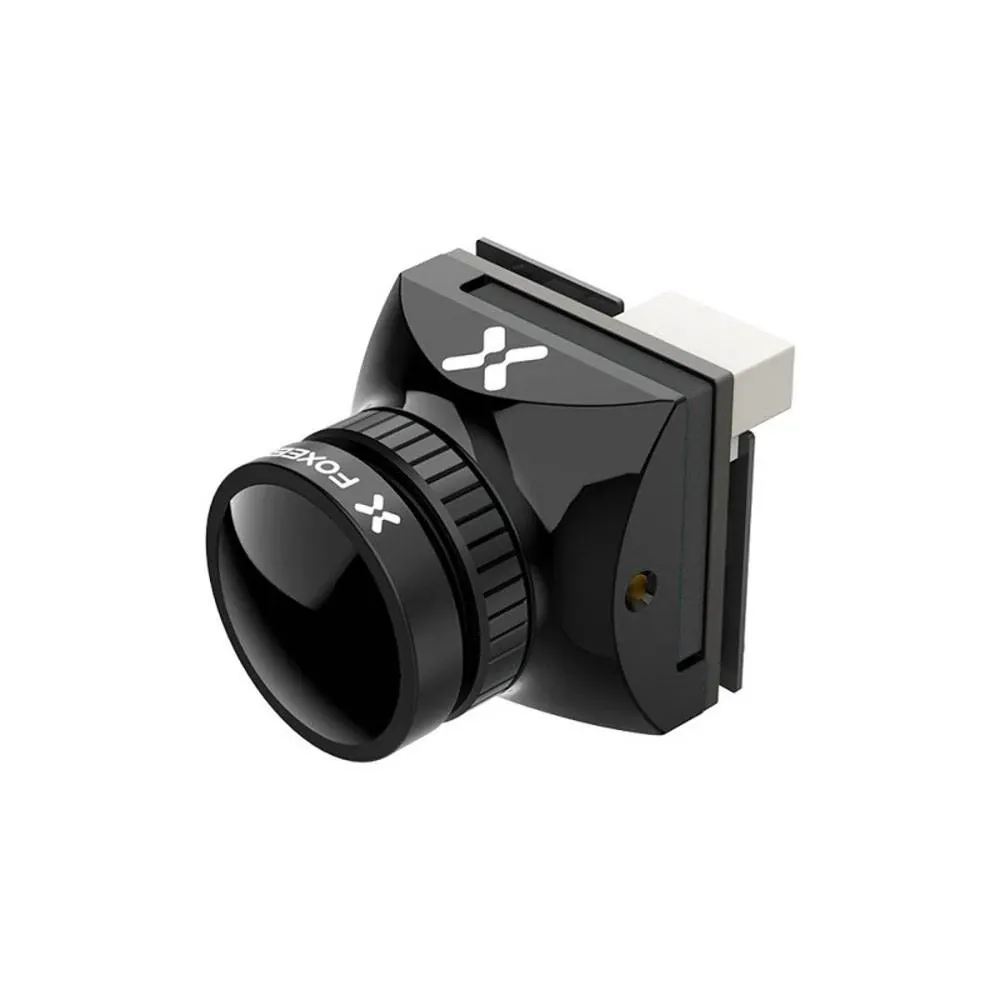
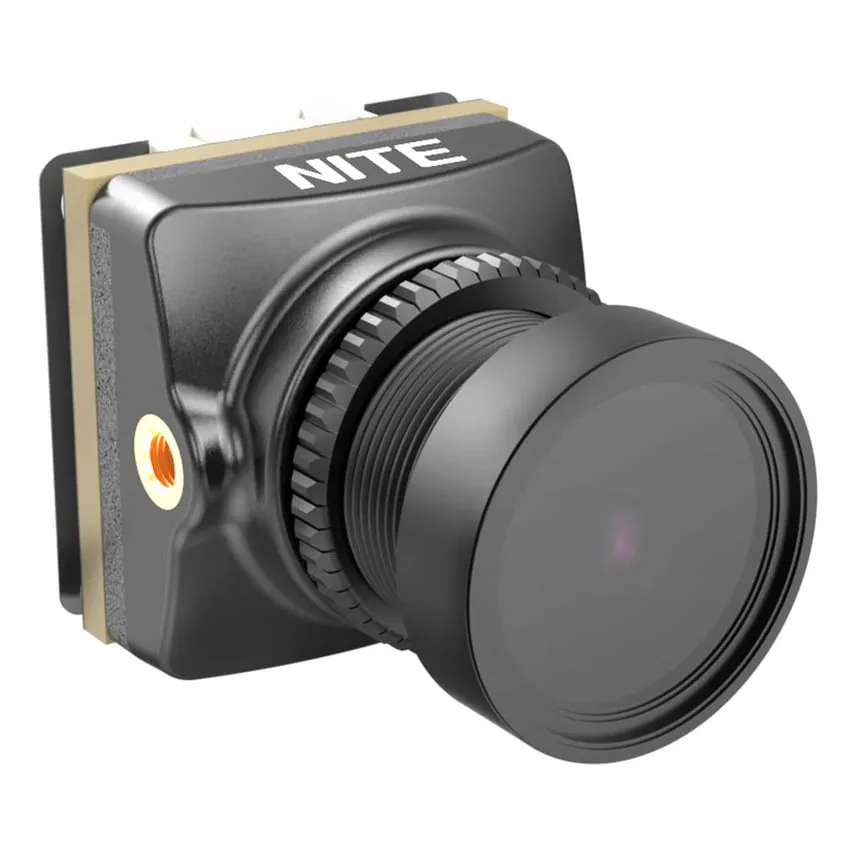
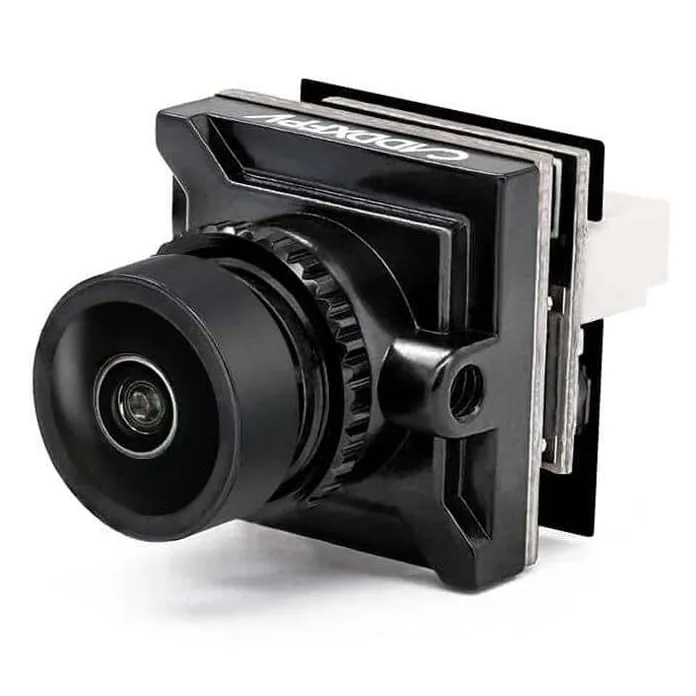
- Sensor: larger sensors such as the 1/1.8-inch units in the Caddx Ratel 2, Baby Ratel 2 and Foxeer T-Rex Micro gather more light than 1/3-inch sensors. Starlight and night models such as the RunCam Phoenix 2 Nite and Foxeer Micro Cat 4 are built for dusk and night flying.
- Lens: shorter focal lengths (1.7–1.8mm) give a wider view, while 2.1mm and longer look tighter and flatter.
- Aspect ratio: most cameras here switch between 4:3 and 16:9, so set it to match your goggles.
TVL figures are a rough guide only. Latency, dynamic range and low-light behaviour matter more once the picture passes through an analog video link.
What we stock
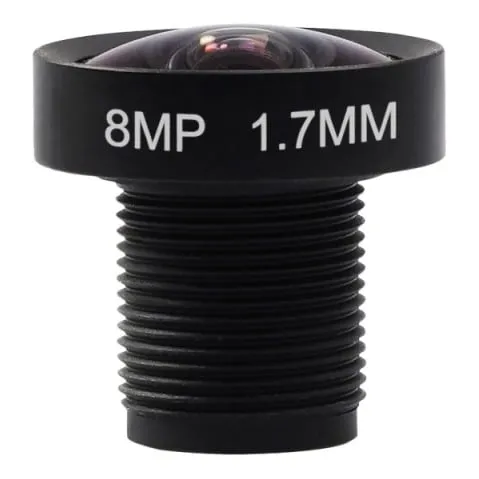
The range includes the Caddx Ratel 2, Baby Ratel 2, Ratel Pro and the 2g Caddx Ant; Foxeer Predator 5 in nano, micro and mini sizes, the T-Rex Micro 1500TVL and the Micro Cat 4 starlight camera; RunCam Phoenix 2 and Phoenix 2 Nite; the Mista Ratel Mini; and the NewBeeDrone Beeeye V2 10x10mm whoop camera. For specialist work there are the Caddx Farsight 8X zoom camera and the Caddx Infra V2 infrared camera. Spares include a Foxeer M8 1.7mm lens, an HS1177 replacement lens and an alloy case for the Foxeer Arrow V3.
Compatibility
An analog camera sends composite video to an analog VTX, usually through the flight controller so the OSD can be overlaid, and you view it on analog goggles, a monitor, or digital goggles fitted with an analog receiver module. Analog cameras do not work with DJI O3 or O4, Walksnail or HDZero air units, which use their own cameras.
Check the camera's input voltage range before wiring it: many accept a wide range, but some need a regulated 5V pad.
Frequently asked questions
- Will an analog camera work with a DJI O4 air unit?
- No. DJI, Walksnail and HDZero air units use their own digital cameras. An analog camera needs an analog VTX and analog goggles or a monitor.
- What is the difference between micro and nano FPV cameras?
- Micro cameras are 19mm wide and nano cameras 14mm. Nano cameras are lighter and suit small frames, and with a mounting adapter many fit a 19mm camera cage.
- Does a higher TVL number mean a better picture?
- Not necessarily. TVL is a rough resolution figure; sensor size, dynamic range and low-light performance matter more once the signal passes through an analog VTX.