900MHz ELRS Receivers
900MHz ELRS Receivers
21 products


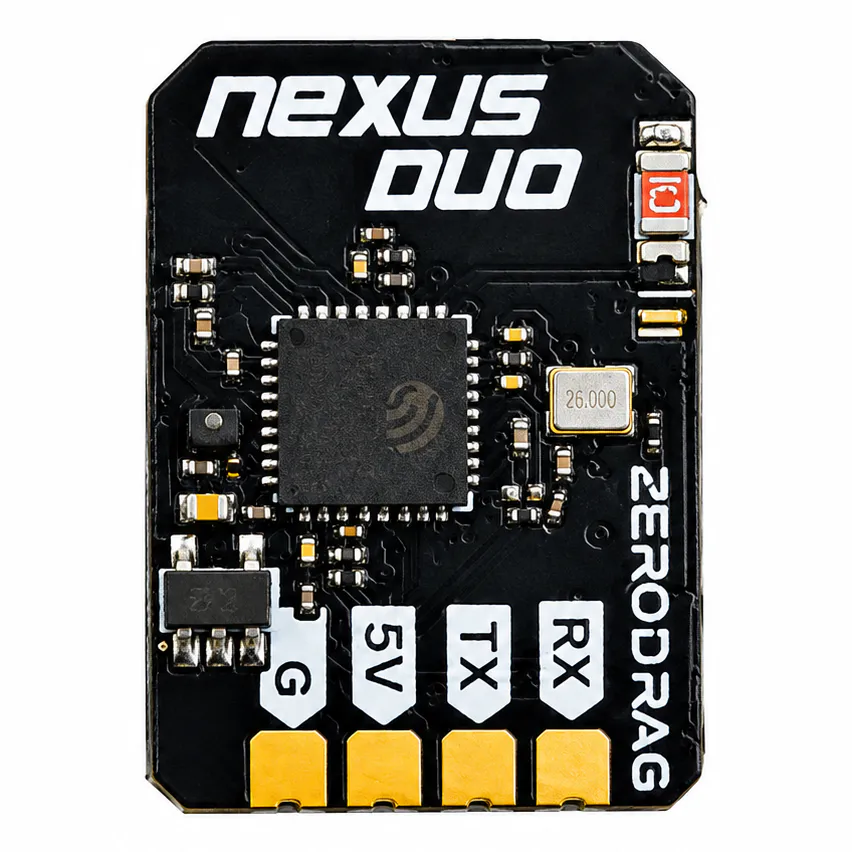
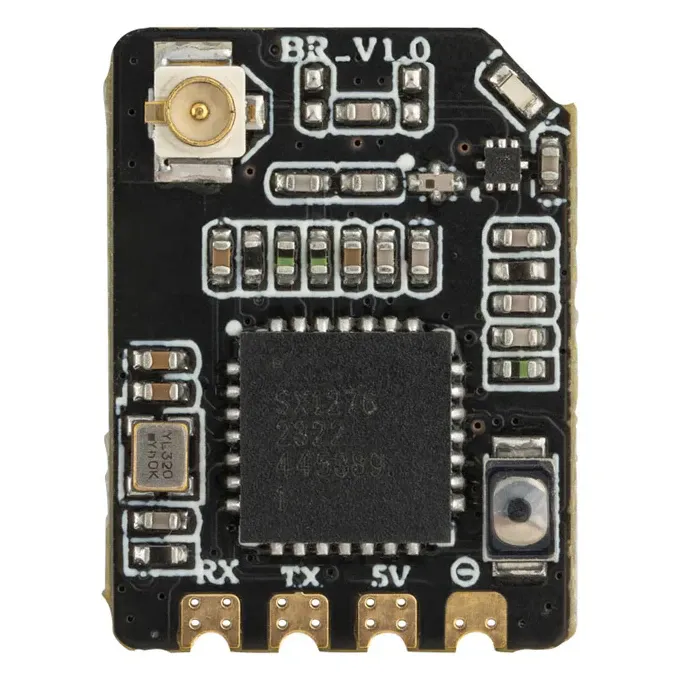
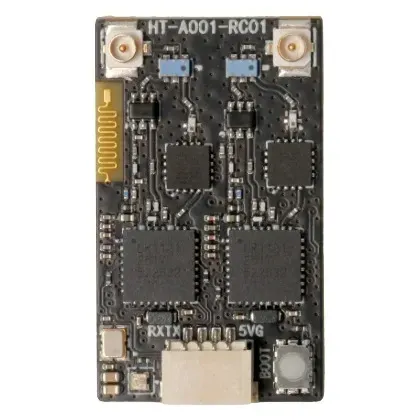
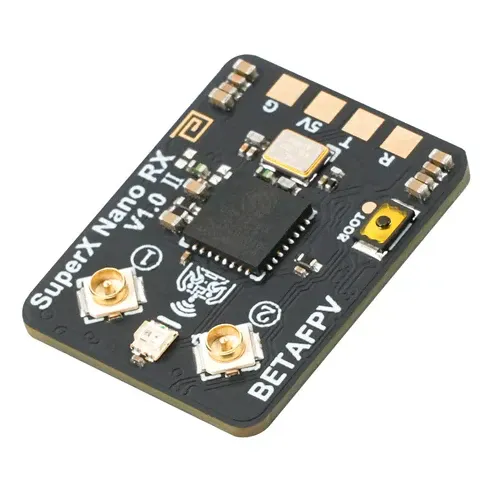
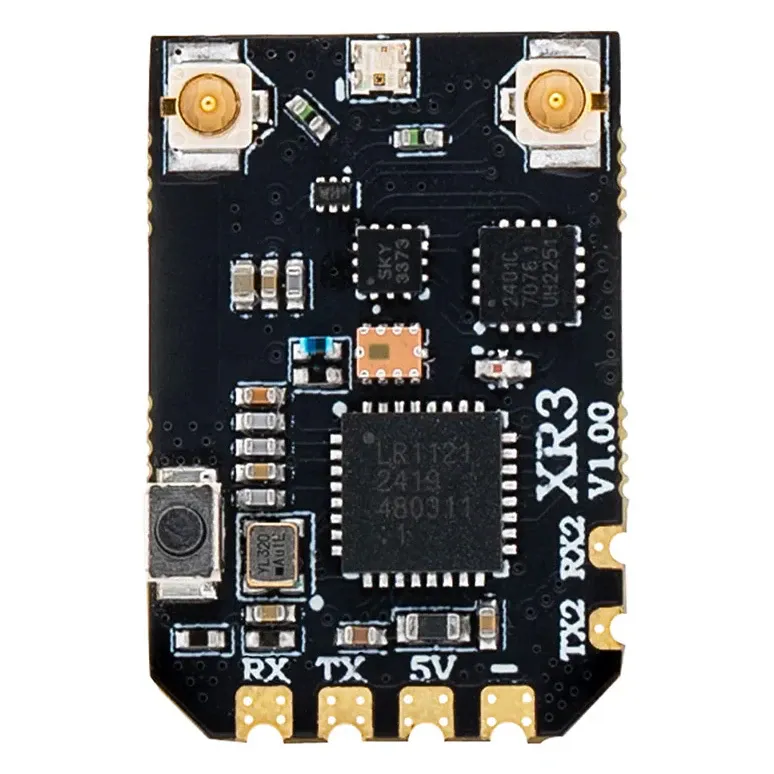
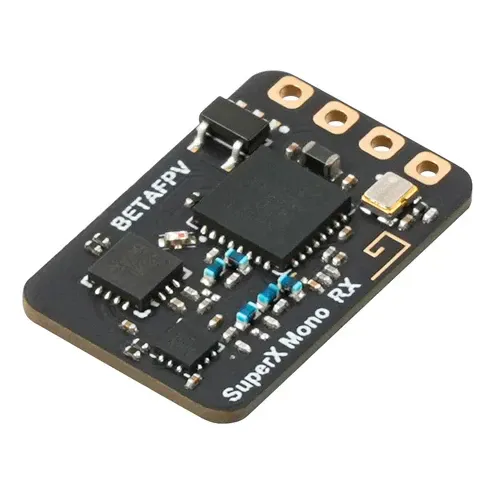
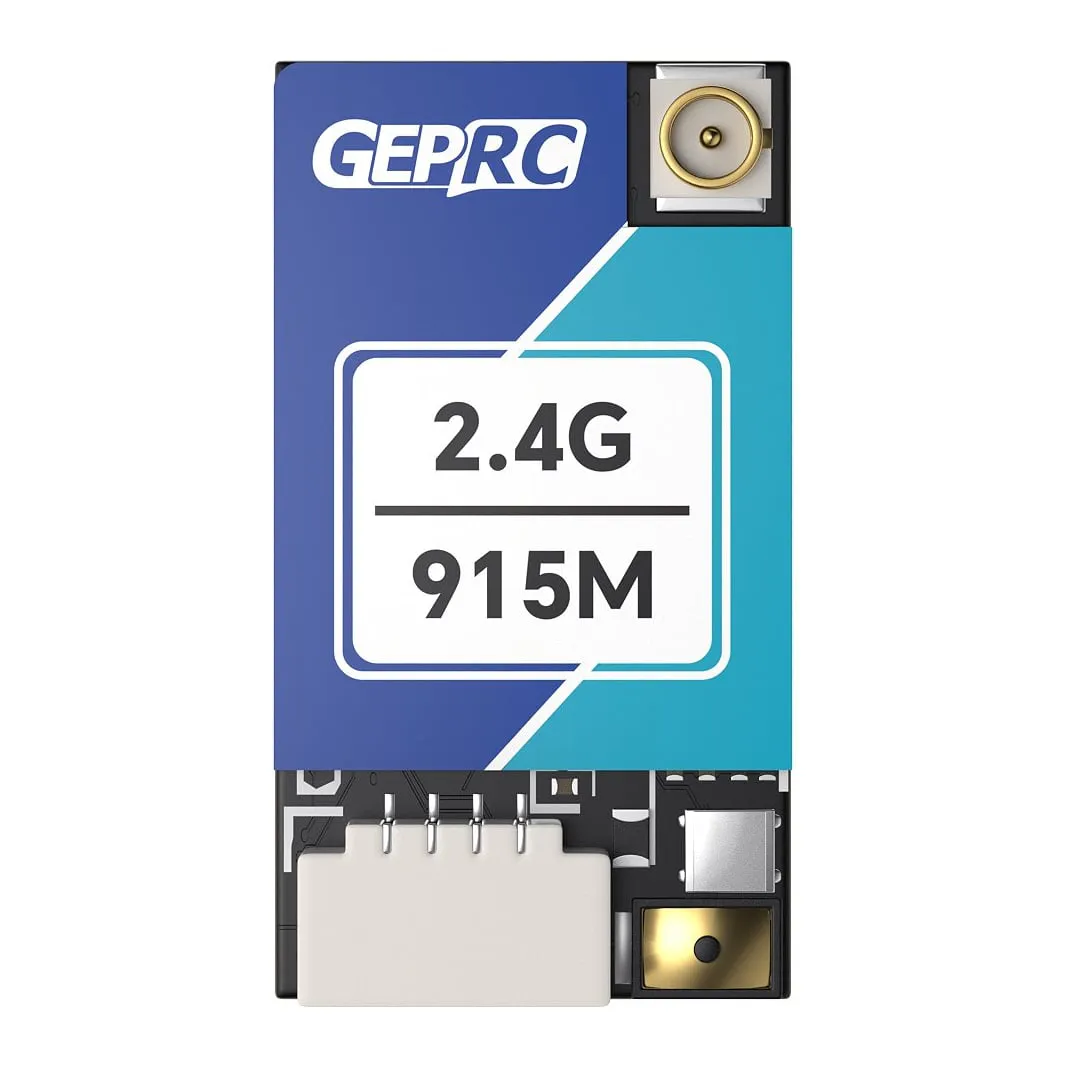


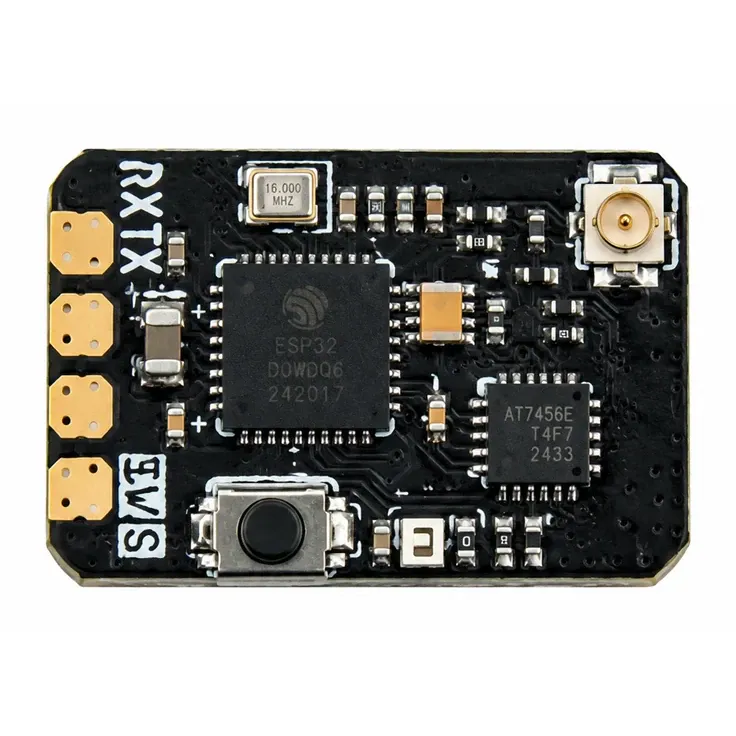
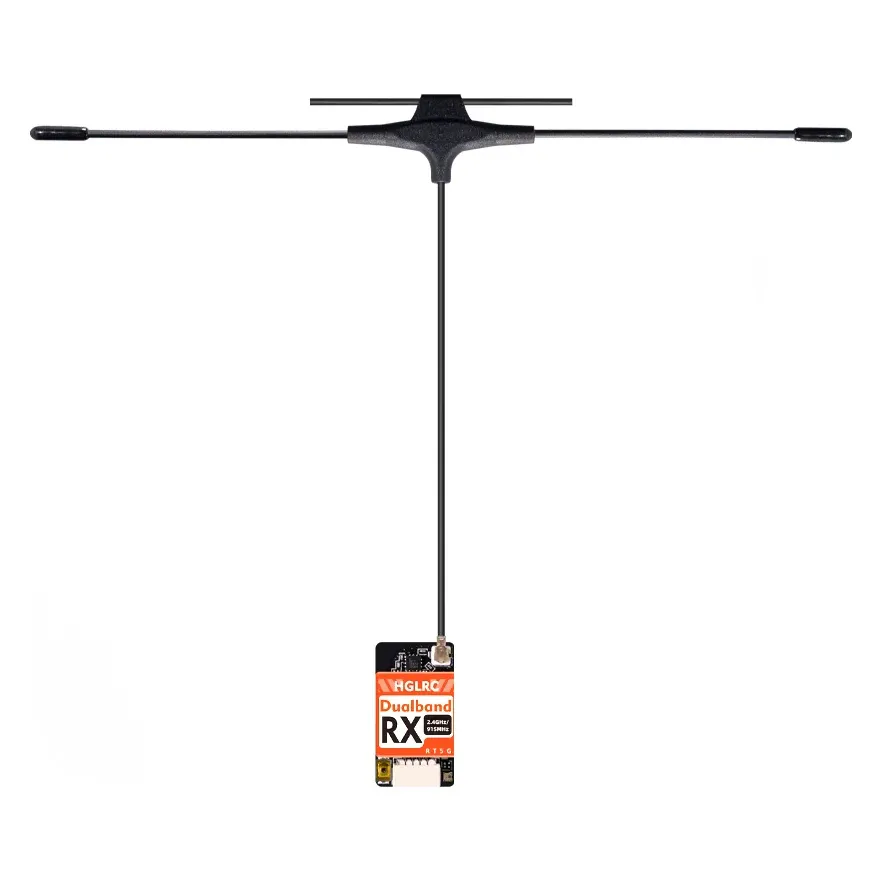
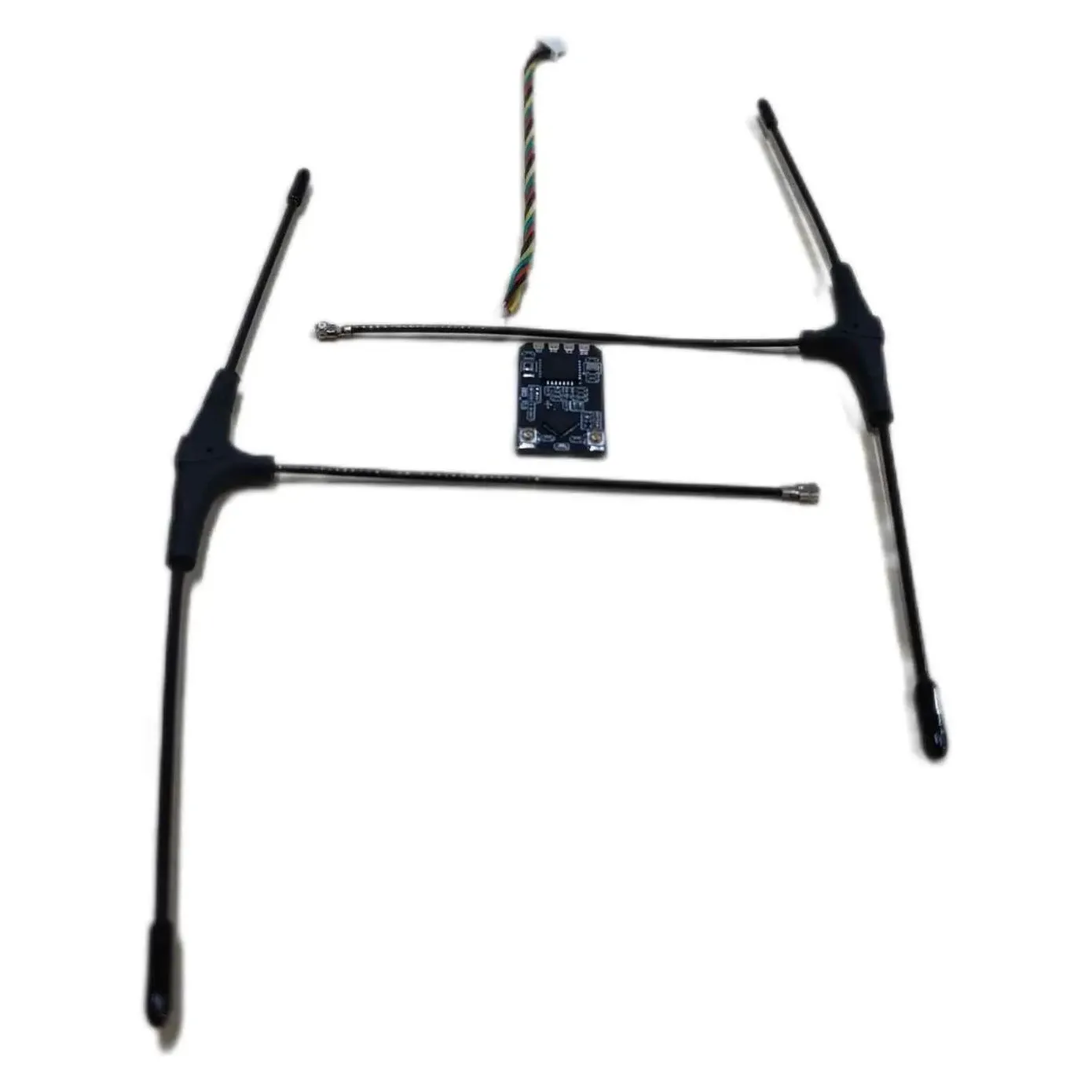
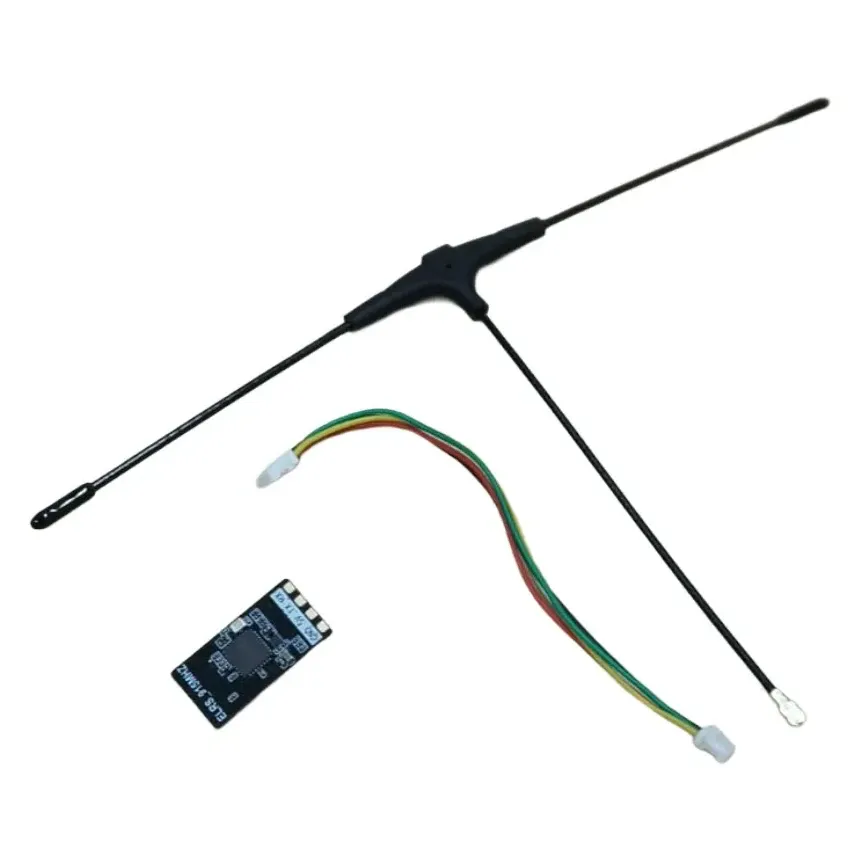
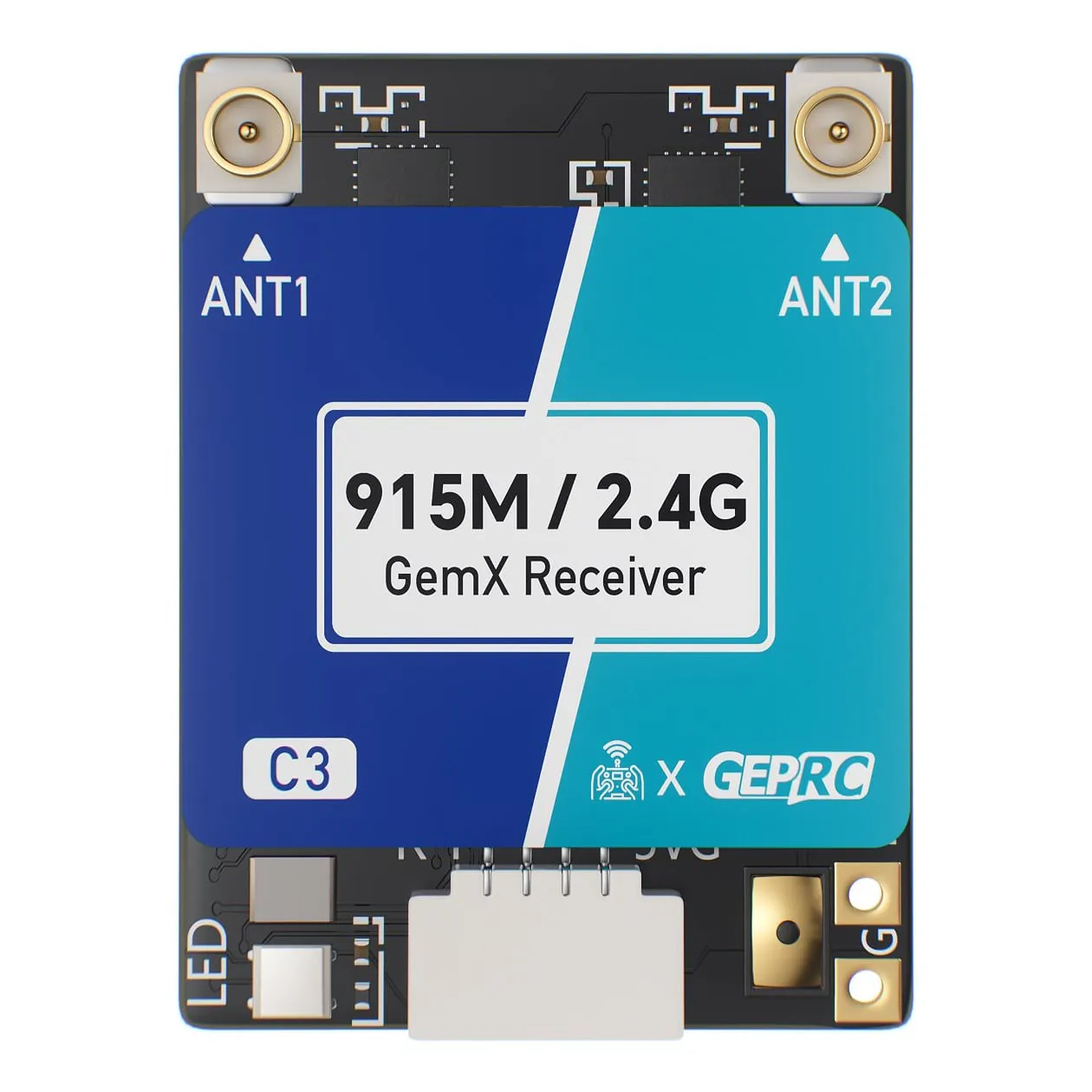

900MHz ELRS receivers run ExpressLRS on the sub-GHz band (868/915MHz) instead of 2.4GHz. The lower frequency bends around trees and terrain better, which is why long-range and fixed-wing pilots choose it. This page collects every ELRS receiver in our range that works on 900MHz: single-band 915MHz receivers, and dual-band receivers that fly on either 900MHz or 2.4GHz. A 900MHz receiver only binds to a 900MHz or dual-band transmitter module, so check your radio before you order.
How to choose a 900MHz ELRS receiver
- Single-band or dual-band: a 915MHz-only receiver is the simple choice for a 900MHz module. Dual-band receivers work with either band, and Gemini Xross (GemX) models can use both bands at once with a matching Gemini transmitter.
- Diversity: true-diversity and Gemini receivers carry two antennas and two radio chains, which keeps the link through turns and behind obstacles.
- Telemetry power: 100mW to 500mW telemetry output decides how far the link quality and GPS data come back to your radio.
- Antenna size: a 900MHz antenna is roughly three times the length of a 2.4GHz one. Plan where the T-antenna mounts before choosing a nano receiver for a small frame.
- Outputs: most are serial (CRSF) receivers for a flight controller. For a plane without one, look for a PWM receiver.
What we stock
RadioMaster Bandit BR1 and BR3 915MHz receivers, and the dual-band RadioMaster XR1, XR3, XR4 and DBR4. Dual-band and Gemini Xross receivers from BetaFPV (SuperX Mono and Nano), GEPRC, HGLRC, iFlight, Holybro (Zephyr) and Zerodrag (Nexus Duo), plus 915MHz nano and true-diversity receivers.
Compatibility
The receiver and the transmitter module must run the same ExpressLRS major version, the same binding phrase and the same regulatory domain. ExpressLRS firmware includes an IN866 domain for India alongside EU868 and FCC915; flash both ends to the same one. Packet rates on 900MHz top out lower than on 2.4GHz, which suits long-range cruising more than racing. A 2.4GHz-only radio cannot bind to a 915MHz-only receiver.
Frequently asked questions
- Is 900MHz ELRS better than 2.4GHz?
- For long range and flying behind obstacles, yes: the lower frequency penetrates better. 2.4GHz offers higher packet rates and much smaller antennas, which is why it is the default for freestyle and racing.
- Will a 900MHz receiver bind to my 2.4GHz radio?
- No. A 915MHz-only receiver needs a 900MHz transmitter module. A dual-band receiver will bind to a 2.4GHz radio and can move to 900MHz later.
- What is a Gemini Xross receiver?
- A dual-band ExpressLRS receiver that can listen on 900MHz and 2.4GHz at the same time. Paired with a Gemini Xross transmitter module it keeps the link alive when one band is blocked or noisy.