ArduPilot & Pixhawk Flight Controllers
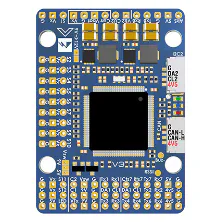
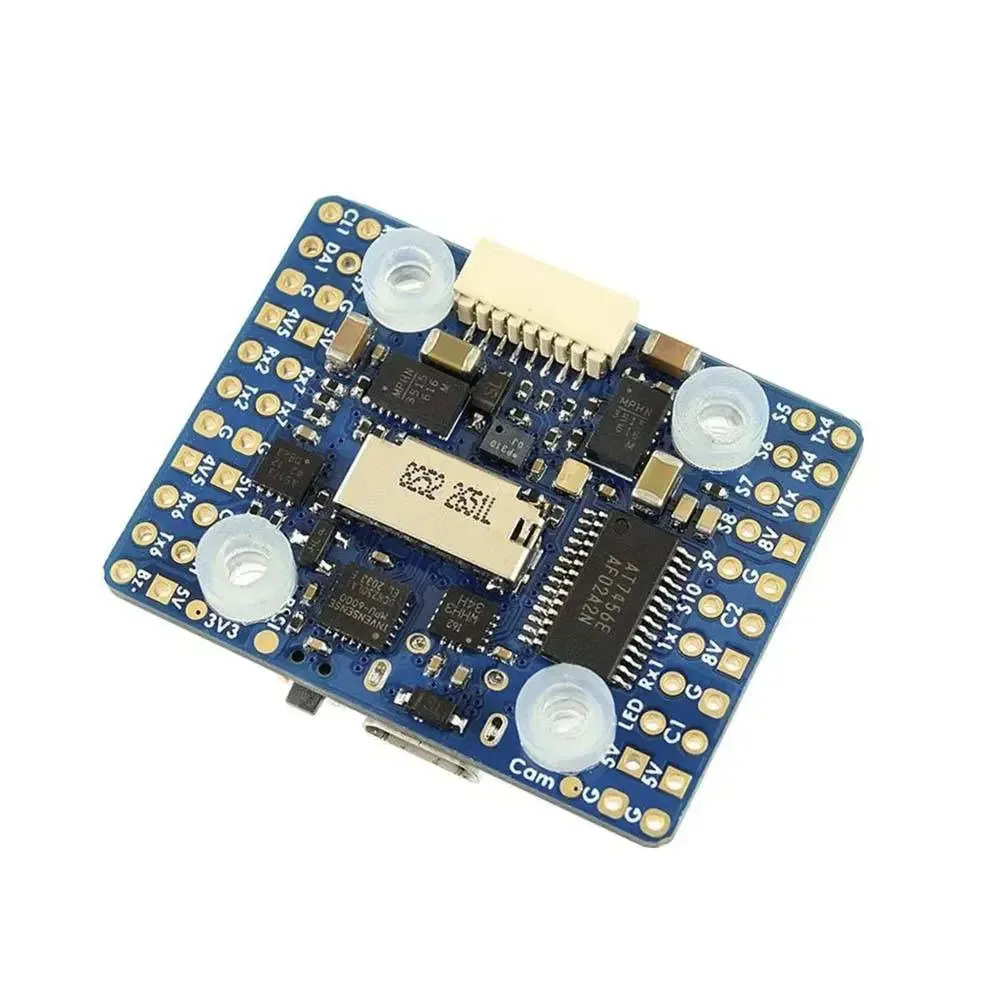
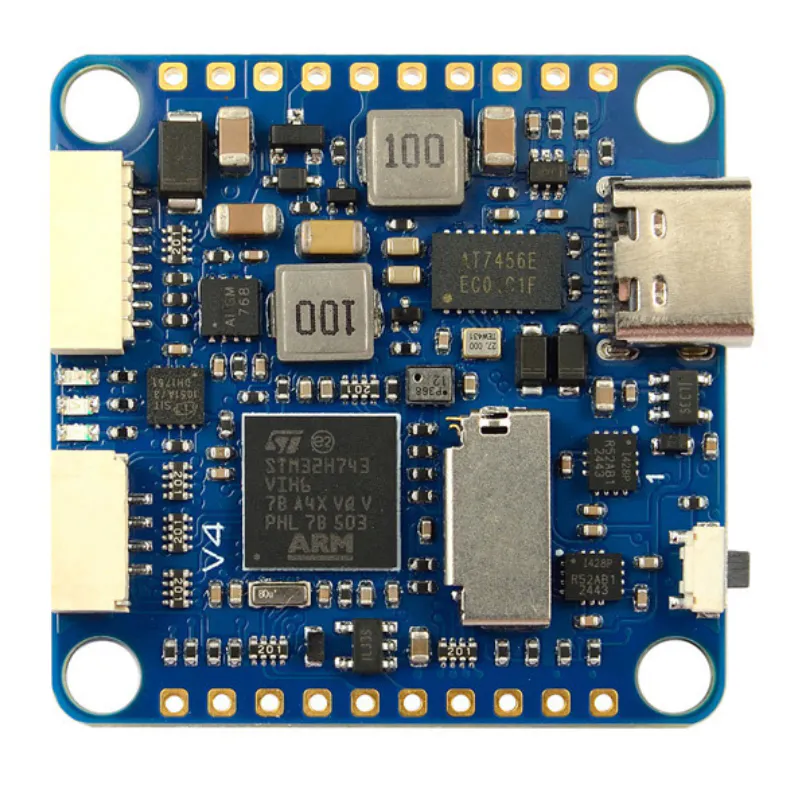
ArduPilot is the open-source autopilot behind survey, mapping, agricultural and long-range drones, as well as fixed-wing aircraft. These are the boards in our Flight Controllers range that run it, from full Pixhawk-standard autopilots to compact H743 boards for smaller builds. Two things matter most when choosing: the form factor, either a cased Pixhawk or Cube with its own connectors or a compact 30.5x30.5 or 20x20 board, and the sensors, since redundant IMUs and a barometer are what mission-critical builds rely on.
How to choose an ArduPilot flight controller
- Form factor: Pixhawk-standard units such as the Holybro Pixhawk 6X and 6C, Hex Cube Orange Plus and Radiolink PIX6 use locking connectors and vibration-isolated sensors, and suit professional multirotors and fixed-wings. Compact boards such as the Matek H743 range, TBS Lucid H7, iFlight Thunder H7 and SEQURE H743 V2 fit FPV-style frames.
- Processor: H7 boards are the long-term choice. F4 boards still run ArduPilot, but limited flash means some features are left out of their builds.
- Sensors: look for dual or triple IMUs and a barometer on aircraft where a single sensor fault must not bring it down.
- Fixed-wing: the Matek H743-WING V3, iFlight BLITZ Wing H743 and HAKRC F405 Wing have servo outputs and power distribution laid out for planes.
- Power: Pixhawk-style units take power through a separate power module, while compact boards accept 2–6S or 2–8S directly.
What we stock
The range includes the Holybro Pixhawk 6X (standard set, and a bundle with the Raspberry Pi CM4 baseboard) and Pixhawk 6C in plastic and aluminium bodies; the Hex Cube Orange Plus; the SIYI N7 autopilot with GPS; Radiolink PIX6 and CrossFlight; a Pixhawk 2.4.8; the MicoAir NxtPX4 V2 Mini; and compact H743 and F405 boards from Matek, TBS, iFlight, SEQURE and HAKRC. Indian-made options include the ZUPPA EZFly autopilot for agricultural drones and Zerodrag's Nova F4 and STRIX H7.
Compatibility
A typical ArduPilot build adds a GPS and compass module, a power module sized to your battery voltage and current, an RC receiver (ELRS, Crossfire or SBUS), and optionally a telemetry radio for a ground station. Setup and mission planning happen in Mission Planner or QGroundControl.
Pixhawk-standard controllers such as the Pixhawk 6X, 6C and Cube Orange Plus also run PX4, so one piece of hardware covers both ecosystems. Compact boards mount on the same 30.5x30.5 or 20x20 patterns as FPV flight controllers and pair with standard 4-in-1 ESCs.
Frequently asked questions
- What's the difference between ArduPilot and PX4?
- Both are open-source autopilots that run on Pixhawk-class hardware. ArduPilot supports a very wide range of vehicle types and is widely used in agriculture and survey work; PX4 is common on research and commercial platforms. Pixhawk-standard boards run either.
- Can I use an ArduPilot flight controller on an FPV quad?
- Yes. Compact H743 boards such as the Matek H743-Slim or iFlight Thunder H7 mount like any 30.5x30.5 FPV controller and add GPS missions, return-to-launch and geofencing. Setup differs from Betaflight, so expect some learning.
- Do I need a GPS module?
- For autonomous missions, position hold and return-to-launch, yes. GPS and compass come as a separate module for most boards here; the SIYI N7 is listed with GPS included.